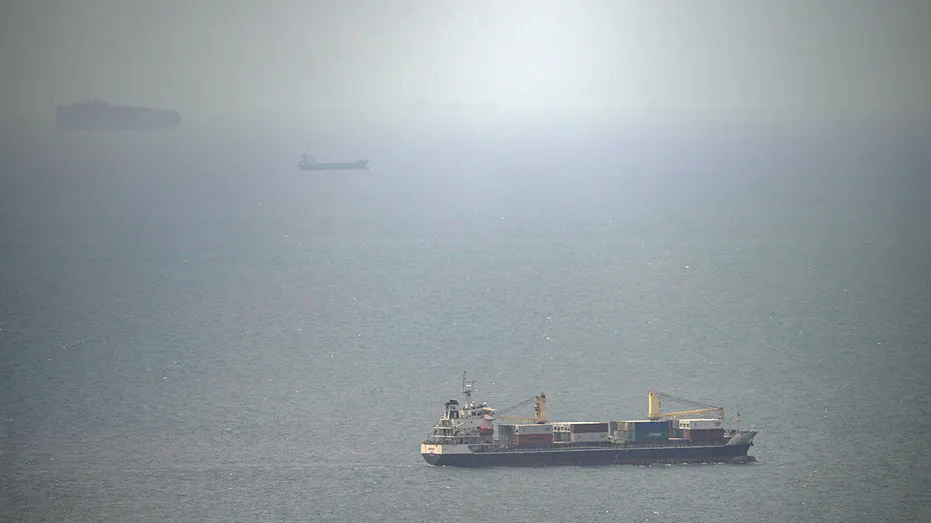
The U.S. and Iran exchanged fire near the Strait of Hormuz on Thursday, raising questions about the negotiations to end the conflict.
President Donald Trump said on Truth Social that the attacks happened as three U.S. military ships were transiting through the strait.
“Three World Class American Destroyers just transited, very successfully, out of the Strait of Hormuz, under fire. There was no damage done to the three Destroyers, but great damage done to the Iranian attackers. They were completely destroyed along with numerous small boats, which are being used to take the place of their fully decapitated Navy. These boats went to the bottom of the Sea, quickly and efficiently. Missiles were shot at our Destroyers, and were easily knocked down. Likewise, drones came, and were incinerated while in the air. They dropped ever so beautifully down to the Ocean, very much like a butterfly dropping to its grave!” he wrote.
Trump added: “A normal Country would have allowed these Destroyers to pass, but Iran is not a normal Country. They are led by LUNATICS, and if they had the chance to use a Nuclear Weapon, they would do it, without question — But they’ll never have that opportunity and, just like we knocked them out again today, we’ll knock them out a lot harder, and a lot more violently, in the future, if they don’t get their Deal signed, FAST! Our three Destroyers, with their wonderful Crews, will now rejoin our Naval Blockade, which is truly a ‘Wall of Steel.’”
The attacks highlighted the fragility of the ceasefire in the area around the Strait of Hormuz, which 20% of the world’s oil used to pass through before the U.S. and Israel attacked Iran on Feb. 28.
No ships transited the strait Thursday, the second day in a row that the critical waterway has had no traffic at all, according to S&P Global Market Intelligence. It’s also the first time since March 12-13 that there have been two back-to-back days without marine traffic.
Trump said in an interview with ABC News on Thursday: “The ceasefire is going. It’s in effect.”
He added, “It’s just a love tap.”
Trump later told a group of reporters that negotiations with Iran were “going very well, but they have to understand if it doesn’t get signed, they’re going to have a lot of pain.”
Trump said a proposal had been given to Iran that included an agreement that it would not have nuclear weapons and that it would give “the nuclear dust” to the U.S.
“Yeah, they’ve agreed. But when they agree, it doesn’t mean much, because the next day they forget,” he said.
Trump also said a deal “might not happen, but it could happen any day.”
A U.S. official told NBC News that the U.S. strikes in Bandar Abbas and Qeshm Island on Thursday were defensive and do not constitute a resumption of major combat operations against Iran.
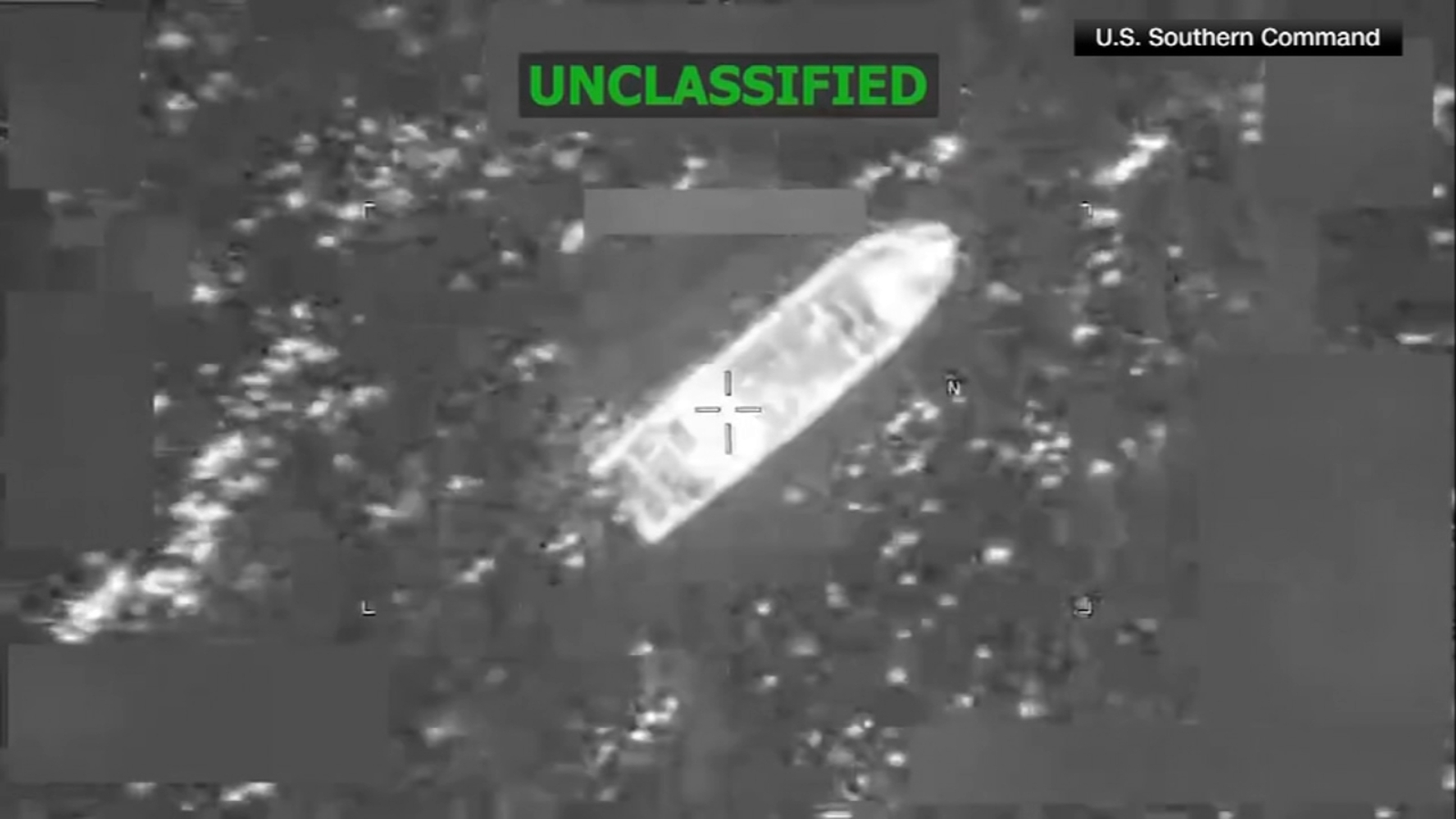
U.S. Central Command said on X that three U.S. Navy guided-missile destroyers came under attack as they transited the Strait of Hormuz to the Gulf of Oman and responded with “self-defense strikes.”
CENTCOM said the Iranian military “launched multiple missiles, drones and small boats” at the vessels.
“No U.S. assets were struck. U.S. Central Command (CENTCOM) eliminated inbound threats and targeted Iranian military facilities responsible for attacking U.S. forces including missile and drone launch sites; command and control locations; and intelligence, surveillance and reconnaissance nodes. CENTCOM does not seek escalation but remains positioned and ready to protect American forces.”
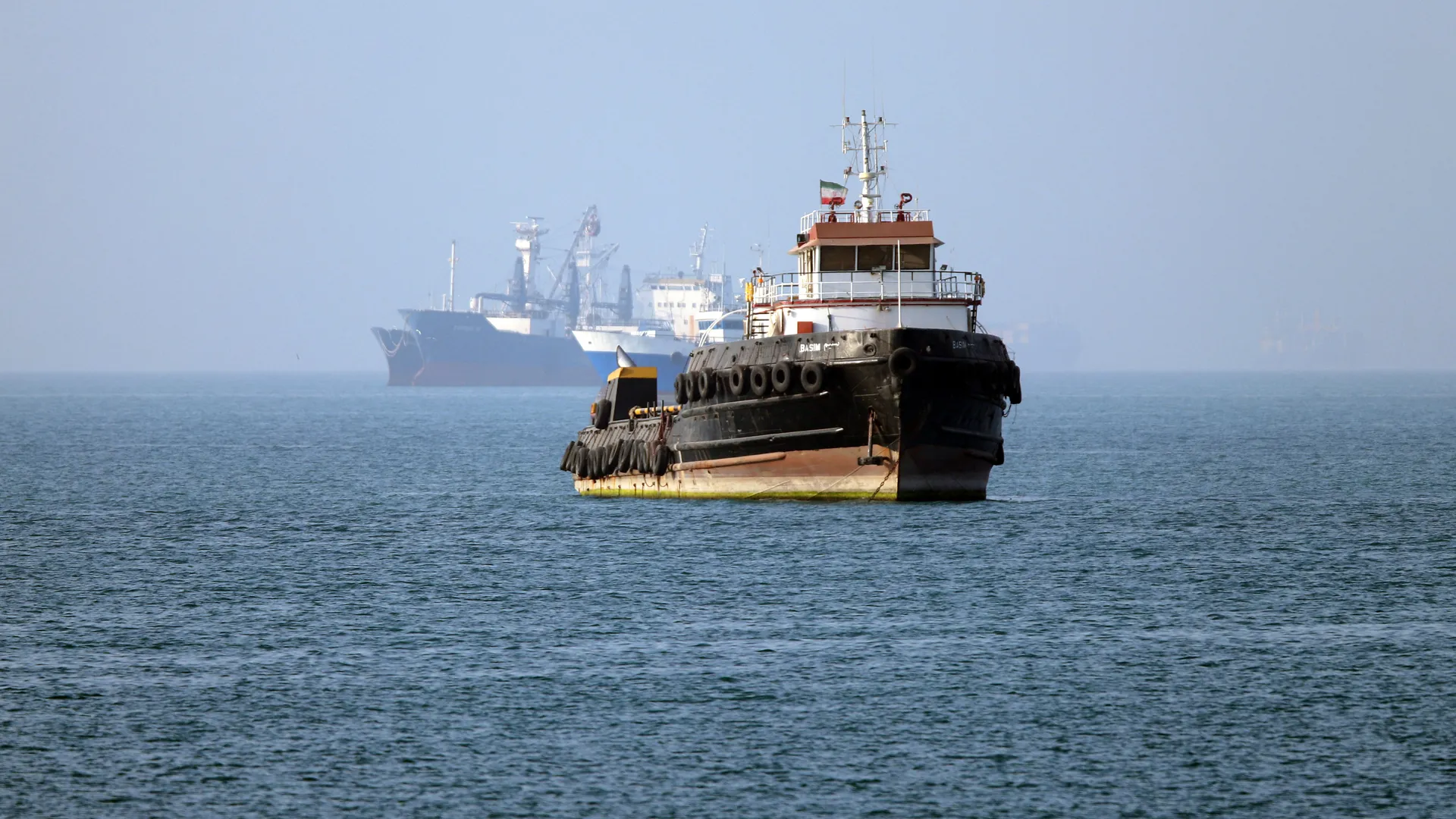
The Iranian military said it fired at U.S. military ships only after the U.S. military violated the ceasefire and attacked an Iranian oil tanker.
“The invading, terrorist and pirate U.S. military violated the ceasefire by targeting an Iranian oil tanker moving from Iran’s coastal waters in the Jask area towards the Strait of Hormuz, as well as another vessel entering the Strait of Hormuz opposite the port of Fujairah in the United Arab Emirates,” said the spokesperson for Iran’s Khatam al-Anbiya military command headquarters, according to the semiofficial Mehr news agency.
The spokesman also said the U.S. had carried out air attacks on “civilian areas” along Iran’s coast and Qeshm Island.
Iran’s state-owned Press TV later reported that following the exchange of fire, the situation on Iran’s islands and in coastal cities near the Strait of Hormuz was “back to normal now.”