As candidates for governor of California struggle to stand out in their bids to succeed Gov. Gavin Newsom (D), a Wednesday debate saw deep policy debate devolve into bickering among the crowded field.
Former Health and Human Services Secretary Xavier Becerra (D) was a main focus for his rivals, underscoring his surge in support after former Rep. Eric Swalwell (D-Calif.) dropped his bid and rattled the field last month. Becerra is jostling for the Democratic lead alongside billionaire Tom Steyer, who also took heat from his half-dozen fellow debaters.
Meanwhile, Republican former Fox News commentator Steve Hilton has taken the top slot in several recent polls — despite California’s status as a blue stronghold — as multiple serious Democrat contenders divide support.
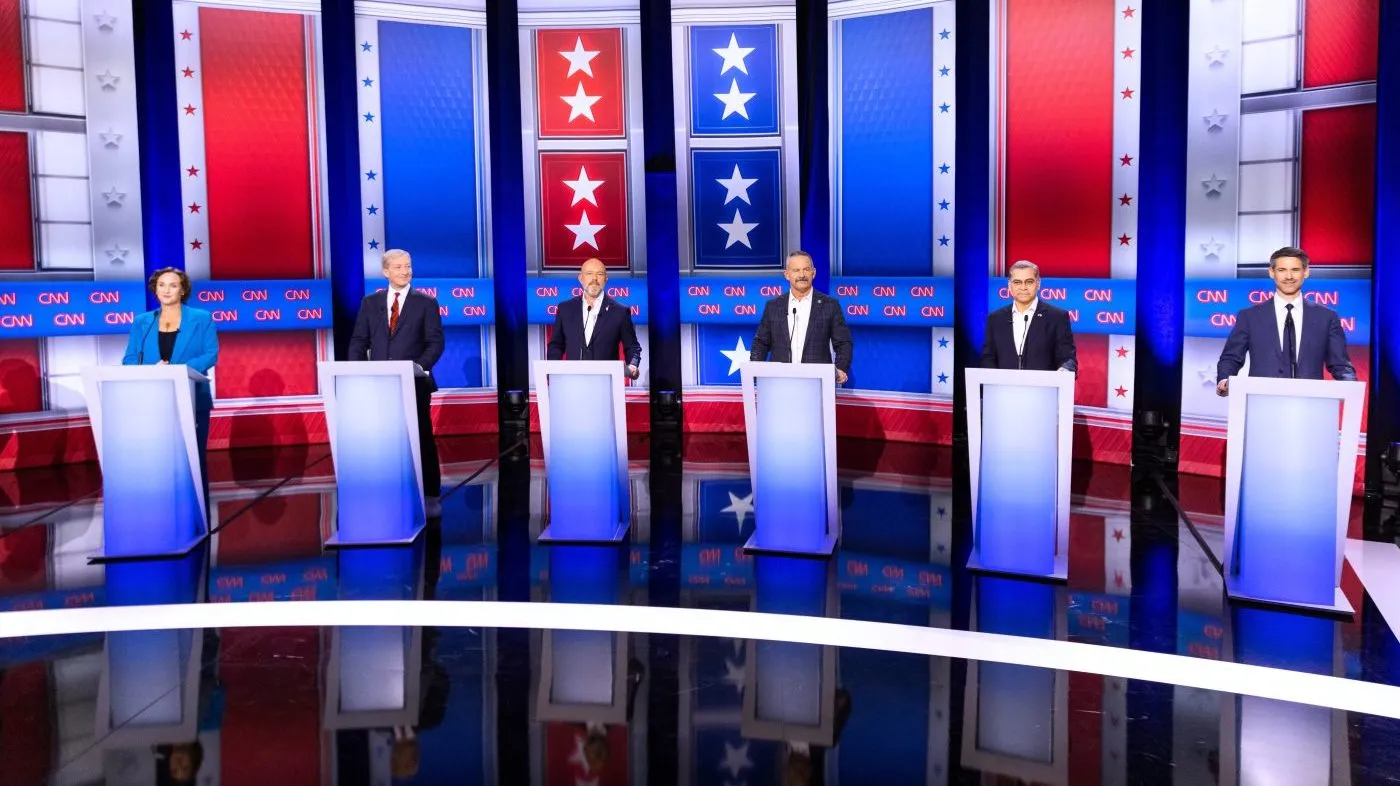
San Jose Mayor Matt Mahan (D), former Rep. Katie Porter (D-Calif.), former Los Angeles Mayor Antonio Villaraigosa (D) and Riverside County Sheriff Chad Bianco (R) rounded out the lineup for the hour-long program, hosted by NBCLA and Telemundo 52. This is the last scheduled debate before the June primary.
The debate saw candidates delve into policy discussions, but the night was crowded with crosstalk and interruptions between the primary rivals, as well as sparring with moderators over time limits and speaking rules.
At one point, Becerra responded to attacks from Villaraigosa, a fellow Latino politician from Los Angeles, with “cálmate, Antonio, cálmate.”
In response to a question about immigration-related policies, toward the end of the program, Porter said, “we ought to enforce the existing sanctuary laws everywhere so we don’t have crazy cowboys taking the law into their own hands.”
“Tell that to a crazy mother who lost her child,” Bianco interrupted. He had similarly cut in on Villaraigosa’s answer on the same topic.
“Sir, I don’t need any lectures from you about being a mother,” Porter hit back.
Bianco prompted boos from the audience with his response: “You might.”
The moderators then attempted to shift gears to a final question, leaving multiple candidates protesting for their chance to weigh in on the topic of sanctuary laws.
As they talked over each other, NBC4 News anchor Colleen Williams appeared to say “time is your enemy here,” acquiescing to give the candidates more time to respond.
In a final bout of yes-or-no questions, Williams asked candidates to rank on a 10-point scale how they’d prioritize revitalizing the film and television industry in the Golden State.
Villaraigosa answered first, saying “number one.”
Porter, who was up next, followed up: “That’s your top priority in the whole state?”
Hilton jumped in, calling it “a weird question, to be honest” and moderators moved on, later asking candidates if they would back a tax break from the industry.
The contenders were still answering the final question as exit music played and the broadcast cut out.
Amid the chaos, the candidates dove into policy particulars and clashed over some of the same topics they covered in Tuesday night’s CNN debate, including affordability, housing policy and insurance.
As the June 2 primary nears, the stakes are high for a Democratic candidate to cement frontrunner status. The focus and frequent mentions of Becerra and Steyer on the debate stages have emphasized their momentum, but it’s unclear whether the debates have done much to move the needle, especially after lackluster performances at two debates last month did little to clear the field.
A CBS News/YouGov poll from late last month showed Steyer and Hilton as the primary field’s leading candidates, with 15 and 16 percent support, respectively. Becerra and Bianco were the only two other contenders with double-digit support.
A new survey from the California Democratic Party ahead of this week’s debate found Becerra and Hilton tied for first place at 18 percent each, followed by Bianco at 14 percent and Steyer at 12 percent.
The Golden State’s Democratic party has called for candidates stuck in the single digits to seriously consider exiting the race, as both Bianco and Hilton continue to poll well.
In California’s unique nonpartisan primary system, the top two vote-getters advance to the general, regardless of party. That’s opened the door to concerns that two Republicans could advance to the general if Democratic support is too splintered — though experts and polling models suggest that possibility has become increasingly unlikely.
Swalwell’s exit helped shrink the field, and former California state controller also ended her bid last month. Their names, though, will still appear on the ballots that have already begun to hit mailboxes in the state — as will the name of any other candidate who drops out before the June primary.