Zahra Monazzah’s son Soheil was at an elementary school in Minab, in southern Iran, on Feb. 28 when a missile struck the building, killing him and dozens of other children.
When she learned that the U.S. was most likely behind the school attack — possibly on the basis of outdated intelligence, an American official told NBC News two weeks ago — Monazzah and other families and neighbors said they were enraged at President Donald Trump.
“Trump should not think that killing our children has made us despair,” Monazzah said. “He should cry for himself, because he will end up in hell.”
Soheil died a “martyr,” his mother said, two days before his eighth birthday. “The blood of our young people has always been shed by America, so this was not unexpected.”
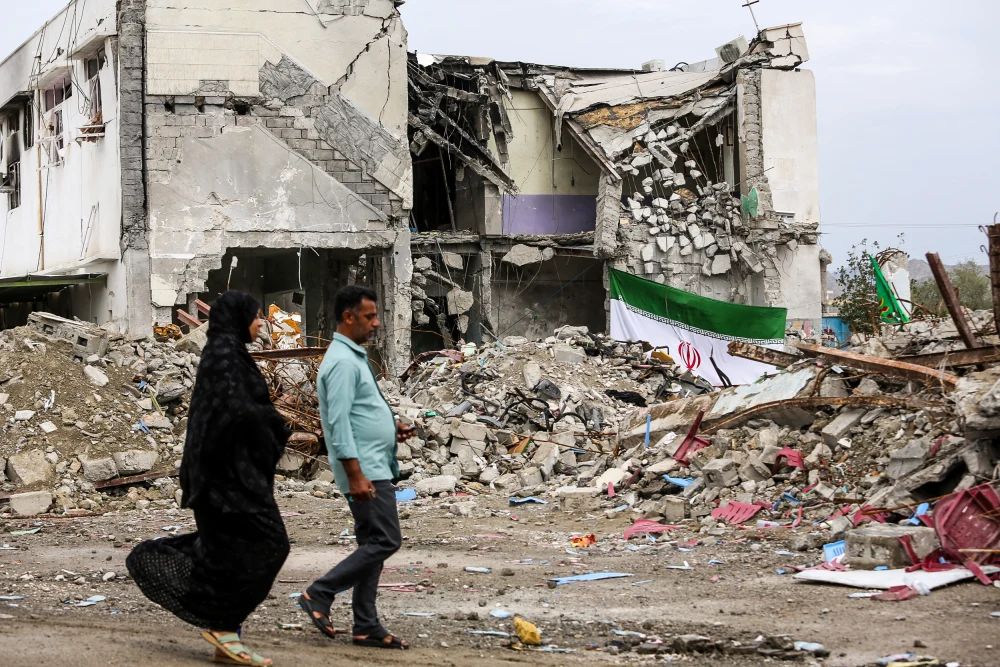
Jafar Qasemi, one of the first responders on the scene, helped retrieve the bodies of the schoolchildren.
“My feeling is a mix of anger about this attack and a strong determination to defend ourselves,” he said. “This war is a test of honor and the defense of human dignity. Every drop of blood spilled in this path will make the spirit of resistance stronger.”
He is still traumatized by what he saw that day, he said.
“Most of them were children. No one spoke at first. It was like being in a silent film. Even a child sitting by the school wall whose face was completely burned,” he said, adding, “For me, time was moving very slowly.”
Qasemi said he opened a child’s bag that was covered in blood and was struck that the child had not had the chance to eat their snack for school that day.
“I still haven’t been able to come to terms with it. I can still smell blood and gunpowder, and the images of that day pass by me constantly,” he said.
But Qasemi said he felt a boost from seeing the father of a girl who was still buried under the rubble reassuring others.
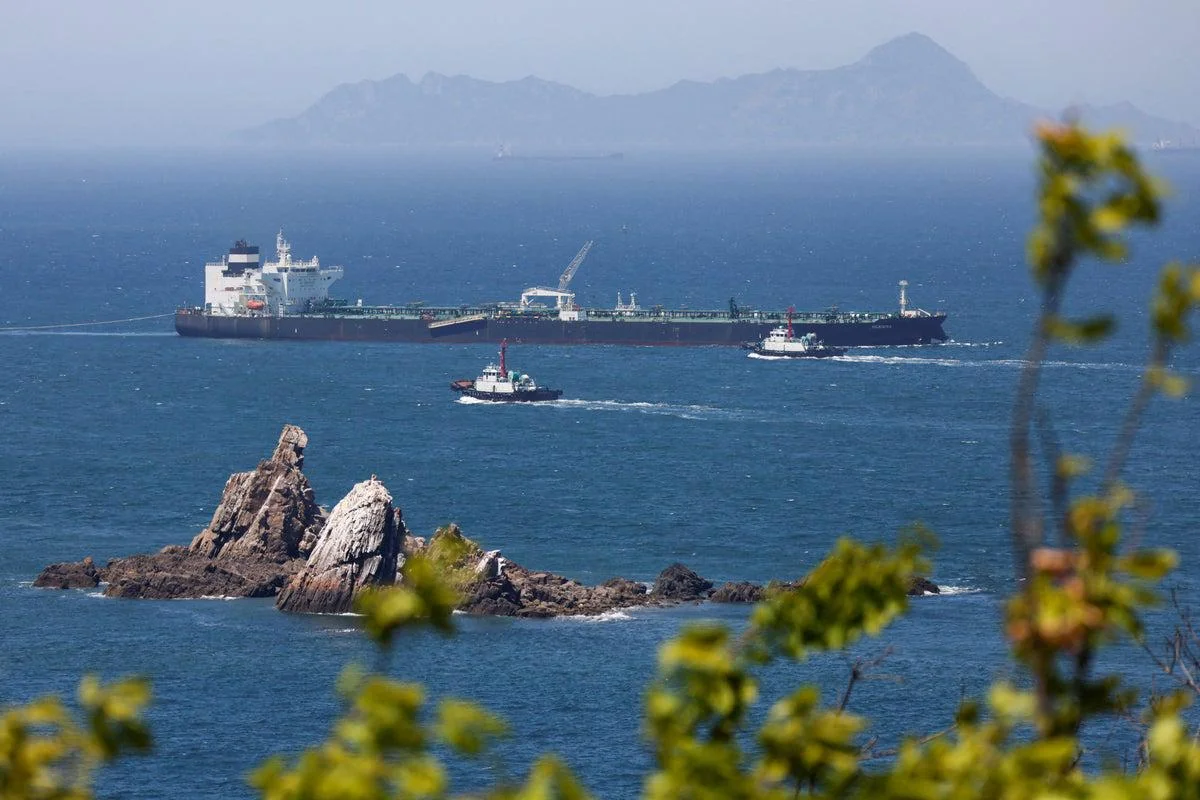
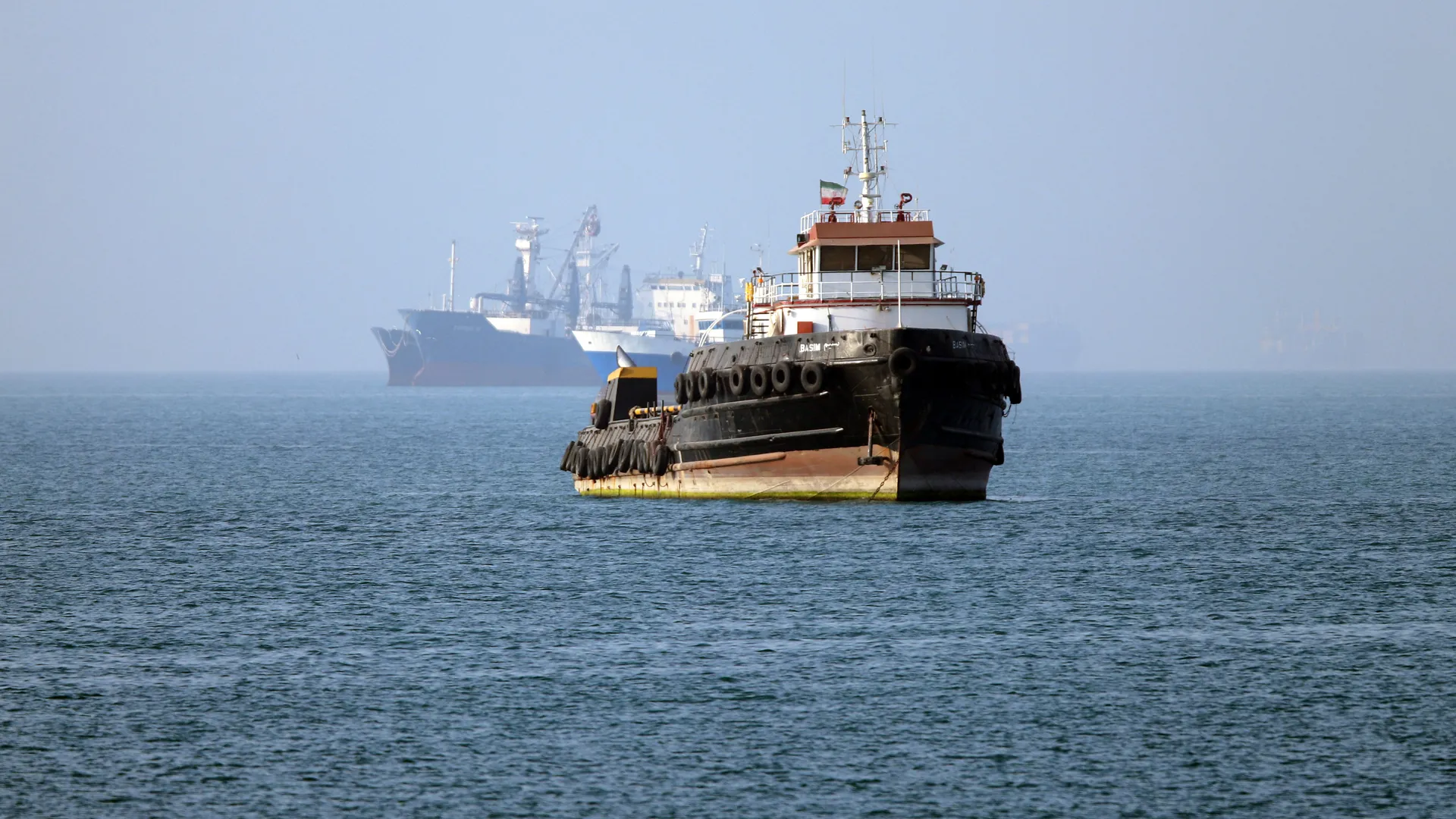
Despite the proximity of the town of Minab, and the province of Hormozgan, to the Strait of Hormuz, where 20% of the world’s oil flowed through on daily before the war, the region is one of the most impoverished in Iran.
A Minab education official, who asked not to be identified because he was not authorized to speak on the record, described the attack as part of what he saw as the broader injustices carried out by the U.S.
“The attack on the Shajareh Tayyebeh school in Minab recalls the crimes committed by the United States over the past 250 years,” he said. “From the killing of indigenous peoples in the American continent to the crimes committed in Vietnam. Wars leave nothing behind except the destruction of human lives, resources and infrastructure,” he said.
An investigation by Amnesty International concluded that a U.S. military guided weapon hit the school building directly, killing 168 people, including over 100 children. The organization said the attack was “a serious breach of international humanitarian law.”
Separately, Iran’s military has been accused of targeting civilian sites across the Middle East.
Amnesty based its conclusions on an analysis of video and satellite imagery, as well as interviews with three people outside the country with knowledge of the situation in Minab.
“This harrowing attack on a school, with classrooms full of children, is a sickening illustration of the catastrophic and entirely predictable price civilians are paying during this armed conflict. Schools must be places of safety and learning for children,” Erika Guevara-Rosas, Amnesty International’s senior director of research, advocacy, policy and campaigns, said in the report. “Instead, this school in Minab became a site of mass killing. The US authorities could, and should, have known it was a school building.”
The aftermath of the attack was documented in a series of videos verified by NBC News. One video shows black smoke streaming out of a building where a wall is painted blue with flowers and the sound of a woman can be heard screaming. Another video shows men digging through rubble where an arm is sticking out.
A separate video shows a group of women wearing the traditional black chador covering sitting next to a pile of colorful backpacks. The person recording it zooms in on a pink backpack that appears to be stained with blood. “The bloody backpack of a student,” the person says.
In a separate video, several black body bags are lined up in a row on the ground of a building. The person recording it unzips one body bag to show the body of a child with a bloody head wearing a green plaid shirt. “This is the evidence of the crime of America!” the person shouts. “What crime did this student commit? This is evidence of the crimes of the Zionist regime! What did this child do wrong?” Bodies of children can be seen in other body bags still wearing the school’s uniform.