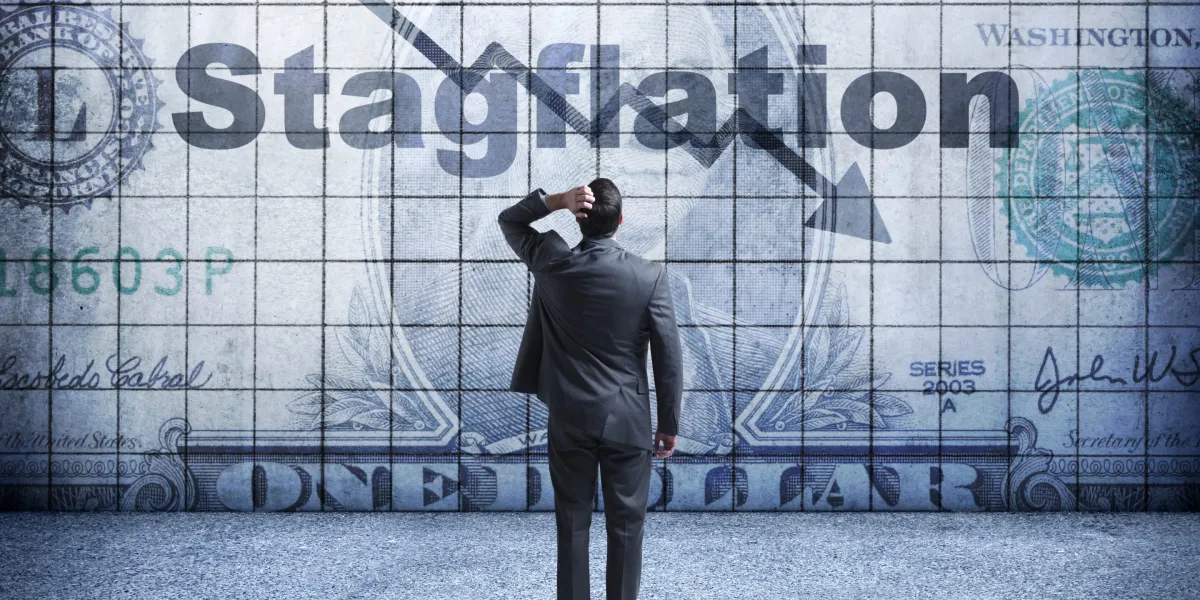
Consumer sentiment dampened in September, extending a decline from the previous month as government data showed a hiring slowdown alongside an uptick of inflation, prompting concern about an economic double-whammy called “stagflation.” The reading came in lower than economists expected.
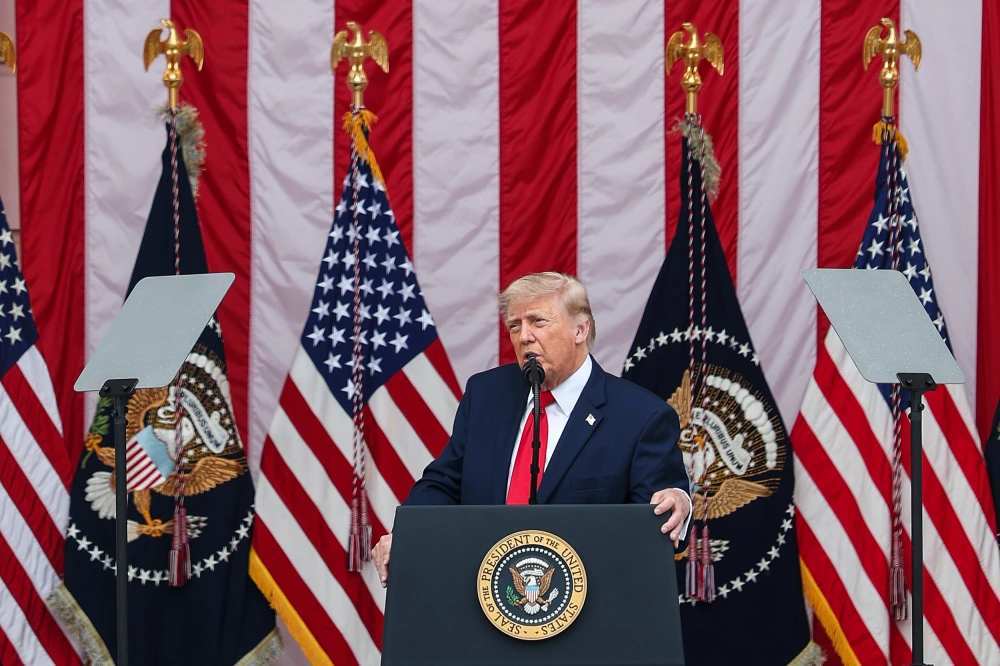
The two-month downturn in shopper attitudes resumes a decline that took hold after Trump took office, University of Michigan Survey data on Friday showed. At its low point, consumer sentiment fell close to its worst level since a bout of inflation three years ago. The measure remains below where it stood in December, before Trump took office.
Year-ahead inflation expectations held steady from August at 4.8%, the data showed. The outcome anticipated by respondents would put inflation well above its current level of 2.9%. Long-run inflation expectations ticked up for the second consecutive month, data showed.
The report arrived a day after an inflation reading showed an uptick in price increases in August as President Donald Trump’s tariff policy intensified. Inflation stands at its highest level since January, though it remains less than a percentage point higher than the Federal Reserve’s target rate of 2%.
Consumer spending, which accounts for about two-thirds of U.S. economic activity, is a key bellwether for the outlook of the nation’s economy.
The fresh survey of consumer sentiment came at a wobbly moment for the nation’s economy.
A jobs report last week showed a sharp decrease in hiring in August, extending a lackluster period for the labor market. Meanwhile, a revision of previous hiring estimates on Tuesday revealed the U.S. economy added far fewer jobs in 2024 and early 2025 than previously estimated, deepening concern about the health of the U.S. job market.
The weak jobs data has raised alarm among some analysts that the U.S. economy may be slipping toward a recession, though the economy has largely averted the type of widespread job losses that often accompany a downturn.
The economic conditions have put Federal Reserve policymakers in a bind. If the Fed raises interest rates as a means of protecting against tariff-induced inflation, it risks tipping the economy into a downturn. On the other hand, if the Fed lowers rates to stimulate the economy in the face of a hiring slowdown, it threatens to boost spending and worsen inflation.
In response to the flagging labor market, the Fed is expected to cut interest rates when policymakers meet next week. Investors peg the chances of a quarter-point rate cut this month at about 92% and the odds of a half-point cut at roughly 7%, according to CME FedWatch Tool, a measure of market sentiment.