The war in Iran is choking off a key shipping route in the global supply chain, potentially leading to massive delays in the flow of goods to American consumers.
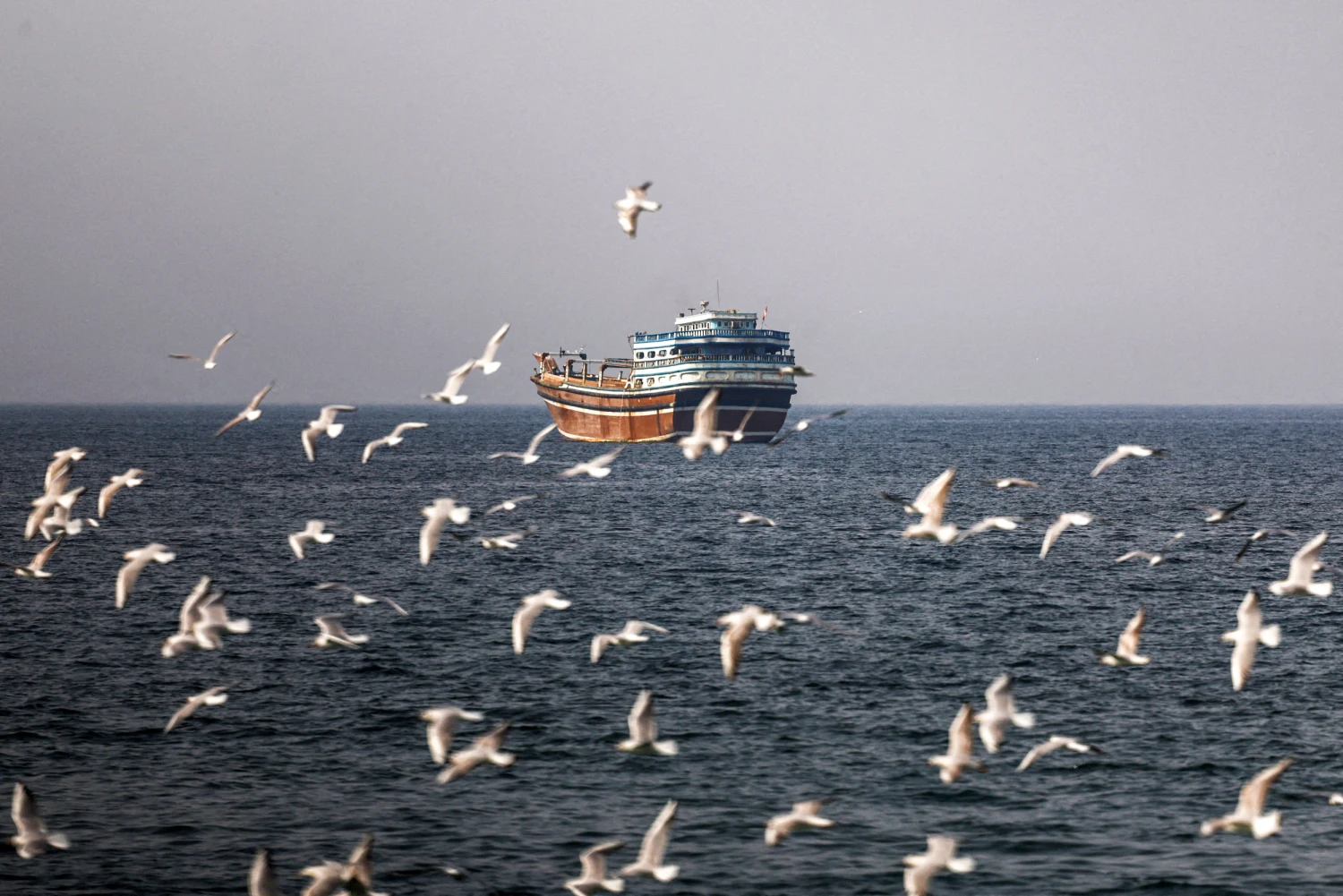
The Strait of Hormuz, a narrow waterway that sits along the southern coast of Iran, gives passage to one-fifth of the world’s oil supply and is also a key route for other types of commodities like aluminum, sugar and fertilizer.
According to Iranian state media, a senior commander for Iran’s Revolutionary Guard said the strait is closed and that it would set any ship trying to pass through on fire. Iran technically cannot close the Strait of Hormuz, but the mere threat of retaliation has been enough to prevent ships from sailing through the waterway.
Many major shipping and logistics companies have restricted or halted bookings through the region since the strikes on Iran began, including Maersk, MSC Group, CMA CGM, Hapag-Lloyd, COSCO and Emirates SkyCargo.
Diverted ships will likely be forced to reroute around the Cape of Good Hope, around the southernmost tip of Africa. Experts say that will trigger weeks of delays and contribute to severe port congestion and the collapse of modern “just-in-time” inventory systems, a lean strategy in which companies receive the exact amount of raw materials they need, exactly when they need it.
“If major carriers restrict bookings and vessels reroute around the Cape of Good Hope, you’re adding weeks to global shipping schedules,” Mahmoud Abuwasel, managing partner at Wasel & Wasel, told NBC News. “That effectively removes capacity from the system.”
Abuwasel added that modern-day supply chains rely heavily on just-in-time logistics. Cargo ships are a key cog in the global economy, ferrying everything from oil and raw materials to toys and electronics around the world. More than 80% of goods are transported by sea, according to the World Bank.
“When transit times stretch by weeks, that model breaks down,” Abuwasel explained. “Raw materials arrive late. Components don’t show up on schedule. Manufacturers feel it first, and consumers feel it soon after in the form of delays, tighter inventories, and rising prices.”
Industries like automotive manufacturing and consumer electronics could see slowdowns or production halts, according to Abuwasel, who also expects delays for pharmaceuticals, medical supplies and temperature-controlled goods the longer this conflict drags on.
Historically, geopolitical shocks tend to fade quickly when it comes to economic impact. Last summer’s flare-up between the U.S. and Iran, for example, led to a brief spike in crude prices to about $80 a barrel before they quickly stabilized. The Strait of Hormuz avoided mass disruptions, despite initial fears.
This time, analysts say, is different.
“The scale [of Iran’s retaliation] has been a big, big surprise,” Jorge León, head of geopolitical analysis at research company Rystad Energy, told NBC News on Saturday in the aftermath of the U.S.-Israeli attacks.
Last year, Iran’s retaliatory strikes were “limited” and “very telegraphed,” he said. This time, the scope and intensity have been broader, adding, “This is a totally different world from what the market was anticipating.”
In addition to disrupting trade, it is also expected to make shipping more expensive, with insurers canceling policies and raising the price of coverage. When canceling, insurers are offering coverage at new renegotiated prices, not refusing coverage, according to brokers.
This past weekend, the insurance broker Marsh predicted insurance prices could rise as much as 50% in the coming days. With tensions rising and at least one oil tanker already damaged, Marcus Baker, Marsh Global’s head of Marine, Cargo and Logistics, said he expects the cost of insurance could increase as much as 100%.
“You’ve got, you know, 25 crewmen on one of these ships who are all making a decision to go up into an area where they could get bombed tomorrow. And I think that is a fundamental thing that many ship owners are now considering more than they might have done 20 or 30 years ago,” said Baker.
A crew member was killed on Monday after an oil tanker was targeted by an unmanned boat in the Gulf of Oman, Oman’s Maritime Security Center said in a statement on X. It said the crew of 21 people had to be evacuated due to flames, but one member of the crew was killed by an explosion in the engine room.
In addition to the danger posed to crews, tankers are being stranded and damaged, Reuters reported. Ken Fichtelman, head of U.S. marine and cargo for insurance broker McGill and Partners, said he is expecting insurance prices could more than double — and not just in the Persian Gulf.
“I think the Red Sea premiums are also going to go up,” he said. “I think anytime there’s a conflict like this, all of the war rates and all the different war areas or hotspot areas around the world are increased by some amount, and especially if losses start to come in, because once the war underwriters have to start paying out … all the rates are then increased around the world.”
However, both brokers said it’s difficult to put a number on how much of an impact these disruptions could have on consumers.
“Everybody is almost in a wait-and-see mode for at least today, tomorrow, possibly into the end of the week, depending on how long this continues,” Fichtelman said.
Expensive crude typically feeds into higher gasoline and diesel prices, pushing inflation up. At the same time, shipping disruptions can raise transportation and production costs — creating delays, port congestion and broader supply shocks.
And if prices stay elevated long enough, that can eventually push consumers to rein in spending, which hurts global growth.
That combination of slower growth and higher inflation, an economic scenario known as stagflation, creates a complicated situation for the Federal Reserve, which has been trying to bring inflation down to its 2% target.
Although prices have moderated, with headline CPI sitting at 2.4% as of January, it remains above the central bank’s 2% target. If this conflict triggers an inflation spike, interest rates would likely remain higher for longer.