The chances of an enduring solution to the 10-week war on Iran look to be growing slimmer by the moment — even as the idea of a return to all-out combat comes with real dangers for President Trump and the wider world.
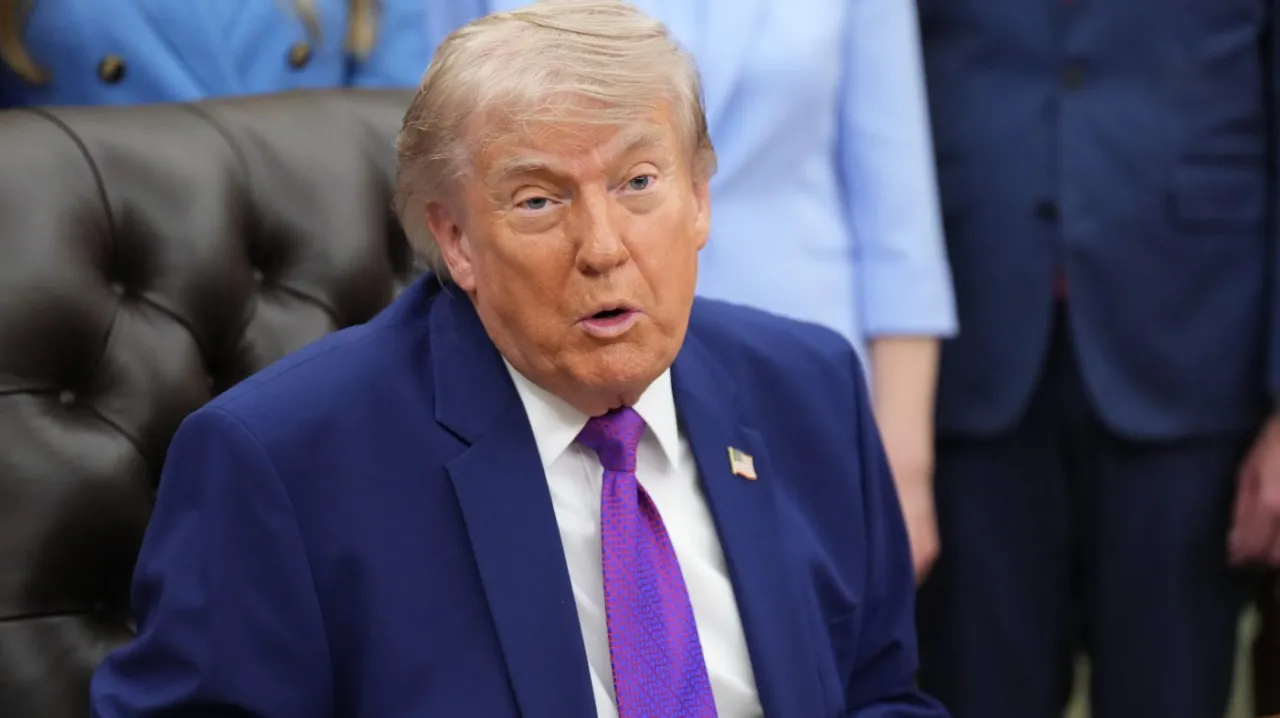
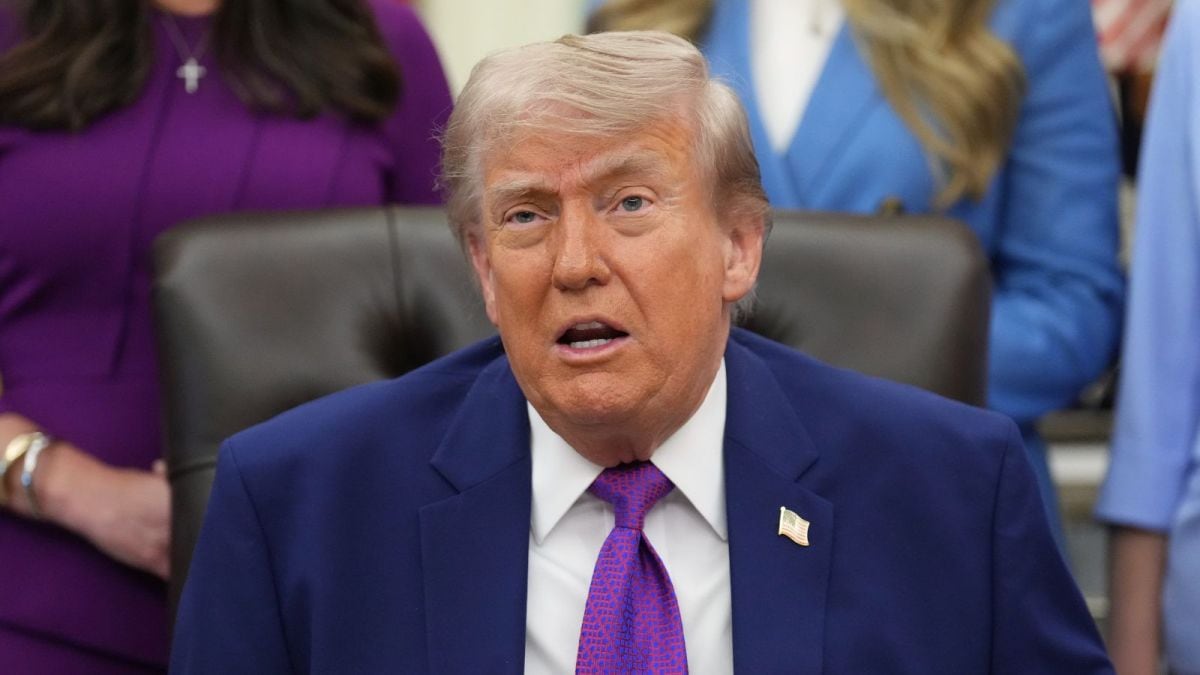
Trump on Monday lambasted Iran’s latest peace proposal as a “piece of garbage.” He also characterized the ceasefire, which has endured for just more than a month, as “unbelievably weak” and “on life support.”
The previous day, on social media, Trump derided the Iranian response in his characteristic all-caps style as “TOTALLY UNACCEPTABLE!”
But Trump’s anger brings forth questions of its own — including what comes next, and whether a new conflagration in the conflict could be sparked by the unwillingness of either side to back down.
Trump makes plain his desire to see Iran capitulate. The leadership of the Islamic Republic does not appear to be contemplating doing so.
Specifically, Trump believes U.S. military might can lay waste to Iran, forcing a victory. The Iranians believe their ability to block the Strait of Hormuz and thus drive up oil and gas prices can cause pain that their adversaries in Washington will not be able to bear.
These competing narratives are being fueled by unyielding and inflammatory language on both sides.
Last week, Trump told reporters they would not be in any doubt as to when the ceasefire definitively ended because “you’re just going to have to look at one big glow coming out of Iran.”
On the flip side, a leading figure among Iranian negotiators warned Monday that the Islamic Republic’s military was ready and waiting for any American moves.
“Our armed forces are ready to deliver a well-deserved response to any aggression,” Mohammad Bagher Qalibaf, the Speaker of the Iranian Parliament, wrote on social media.
“Mistaken strategy and mistaken decisions will always lead to mistaken results — the whole world has already figured this out,” Qalibaf continued. “We are prepared for all options; they will be surprised.”
To be sure, it is possible that the Iranian leadership is putting a brave face on its circumstances.
Its military, particularly its navy, have taken heavy damage in the weeks of bombardment from American and Israeli forces. The general economic pain inflicted by the war has been worsened by the U.S.-led blockade that Trump mounted in retaliation for Tehran’s initial block on the Strait of Hormuz. At a minimum, Iran needs revenue with which to begin to repair the damage inflicted upon it.
But it also looks as if the Islamic Republic believes it won a major strategic victory by simply withstanding the initial U.S.-Israeli assault. The Iranians do not disguise their belief that Trump has made a serious miscalculation from which he now faces few good options as he seeks to extract himself.
Trump could, of course, simply go back to war in the hope of forcing the kinds of concessions from Iran that he has not won thus far.
But that path would have numerous potholes when it comes to domestic political considerations.
The average price of a gallon of gas in the United States on Monday was $4.52, according to AAA — an increase of more than 50 percent since just before the war began on Feb. 28.
Trump’s approval ratings have fallen to some of the lowest points of his second term. In the weighted poling average maintained by data expert Nate Silver, Trump is now almost 20 points underwater, with just 39 percent of Americans approving of his job performance and 58 percent disapproving.
Republicans are nervously eyeing November’s midterm elections, which they would prefer to fight on almost any topic other than an unpopular war that has spiked prices at the pump.
Underscoring those difficulties — and the vulnerabilities of the administration’s messaging on the war — a Reuters/Ipsos poll released Monday indicated that 2 in 3 Americans don’t believe Trump has clearly explained why the U.S. went to war with Iran in the first place.
But if a return to war looks massively problematic, the specifics of the current diplomatic disagreement only underscore the distance between the two sides.
Trump has not released the details that he found so unpalatable in the latest offer from Tehran, but the Iranians have not been so reticent.
On Monday, one Iranian state media outlet reported comments on the nation’s “preconditions and red lines in negotiations,” which it attributed to Maj. Gen. Mohammad Ali Jafari, a former commander in chief of the Iranian Revolutionary Guards Corps who remains a key figure.
After asserting generally that “not even an iota of concession” should be made to the “criminal American government,” Jafari outlined five key conditions that he said had to be met.
These five are: a full end to the war, a lifting of sanctions, the release of “blocked funds,” reparations for the damage inflicted in the war, and the recognition of Iranian sovereignty over the Strait of Hormuz.
The official Iranian response has been widely reported to include broadly similar demands.
On Monday, Iranian Foreign Ministry spokesperson Esmail Baghaei said the Iranian proposal had simply laid out “reasonable demands, responsible requests and generous proposals — not only for Iran’s national interests, but for the good, stability and security of the entire region and the world.”
There is essentially no chance that an Iranian request for reparations will be acceded to by Trump.
The president is demanding much greater concessions on the Strait of Hormuz, too, while the central issue of the conflict — Iran’s nuclear program — remains very far from being resolved.
For the moment, therefore, any process toward peace appears to be petering out, and the world is bracing for where things go from here.