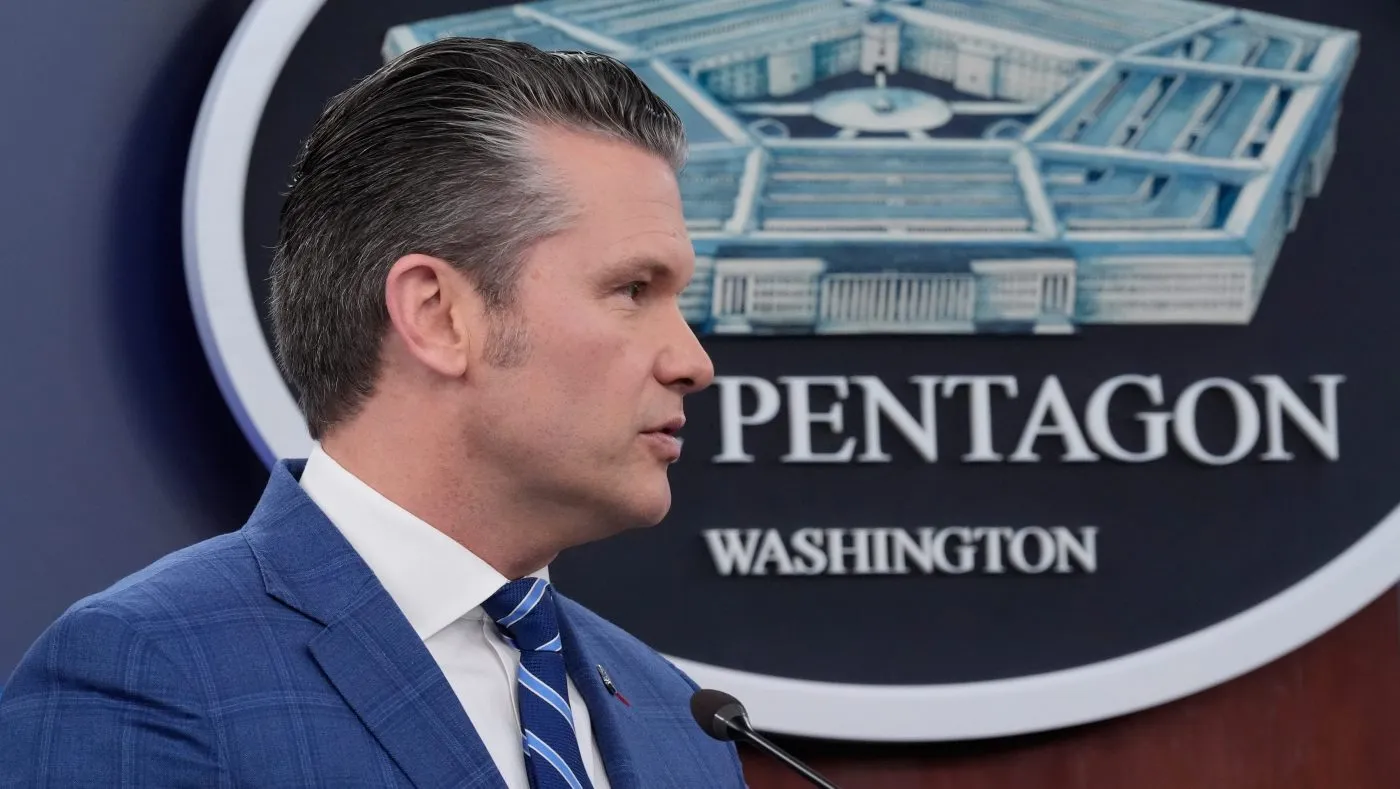
The Pentagon is obstructing reporters and defying an earlier court order that required it to restore access to credentialed journalists covering the Department of Defense (DOD), a U.S. judge in Washington ruled Thursday — a blow to Defense Secretary Pete Hegseth’s attempts to limit media access.
U.S. District Judge Paul Friedman said Defense officials must comply with his order from March 20 that sided with The New York Times and found the Pentagon’s press policy from last year to be unconstitutional, ordering Pentagon officials to reinstate the press credentials of Times reporters and all others who cover the U.S. military from the building.
The Pentagon said it plans to appeal Thursday’s ruling.
“The Department disagrees with the Court’s ruling and intends to appeal,” Pentagon chief spokesperson Sean Parnell said to The Hill’s partner NewsNation. “The Department has at all times complied with the Court’s Order — it reinstated the PFACs of every journalist identified in the Order and issued a materially revised policy that addressed every concern the Court identified in its March 20 Opinion. The Department remains committed to press access at the Pentagon while fulfilling its statutory obligation to ensure the safe and secure operation of the Pentagon Reservation.”
The Pentagon last month said it would comply with the judge’s directive but imposed a new set of rules that still kept journalists out of the building, prompting the Times attorneys to go back to the court to compel DOD officials to follow Friedman’s original ruling.
“The department simply cannot reinstate an unlawful policy under the guise of taking ‘new’ action and expect the court to look the other way,” Friedman wrote.
Hegseth’s team — which said it had disagreed with and would appeal Friedman’s first ruling — tried to sidestep the original order by enacting a revised, interim press policy that still kept reporters from working in the building without an escort.
Instead, journalists were to be given a not-yet-prepared workspace in an “annex facility” on Pentagon grounds but outside the building.
In a motion filed on behalf of the Times, its attorneys called the revised policy an “attempted end-run around this Court’s ruling,” as it “leaves in place provisions that this Court’s Order struck.”
Pentagon officials didn’t immediately respond to a request for comment from The Hill.
“This ruling powerfully vindicates both the court’s authority and the First Amendment’s protections of independent journalism,” said Times attorney Theodore Boutrous.
Friedman last month sided with the Times, which had sued the Trump administration in December for banning journalists who refused to sign a contract that put limitations on how they could solicit or report on information on the military.
The press policy, enacted in October, required journalists to sign a pledge not to obtain or use material that wasn’t specifically approved by Defense officials, even if it was unclassified. More than 50 reporters, including from The Hill, refused to sign the agreement and were denied a press badge as a result.
“A primary purpose of the First Amendment is to enable the press to publish what it will and the public to read what it chooses, free of any official proscription,” Friedman wrote in his original ruling.
In his latest ruling, Friedman said that the Pentagon’s current accessibility to permit holders “is not even close to as meaningful as the broad access” previously held.