House and Senate Republicans scrambling to end the longest federal shutdown in U.S. history keep running into themselves.
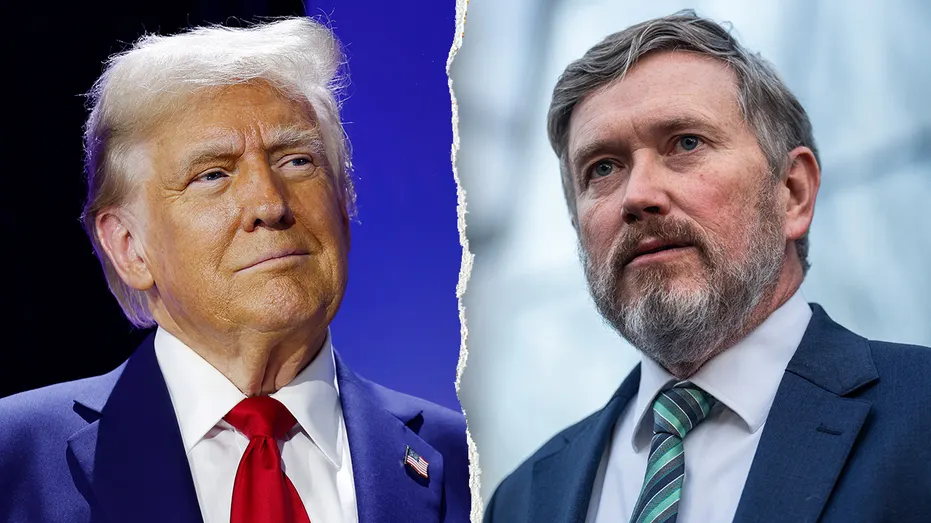
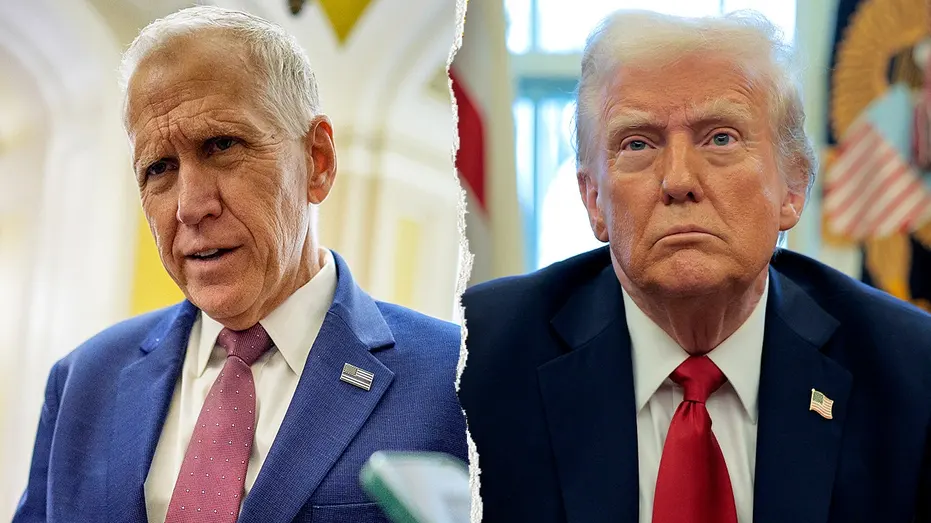
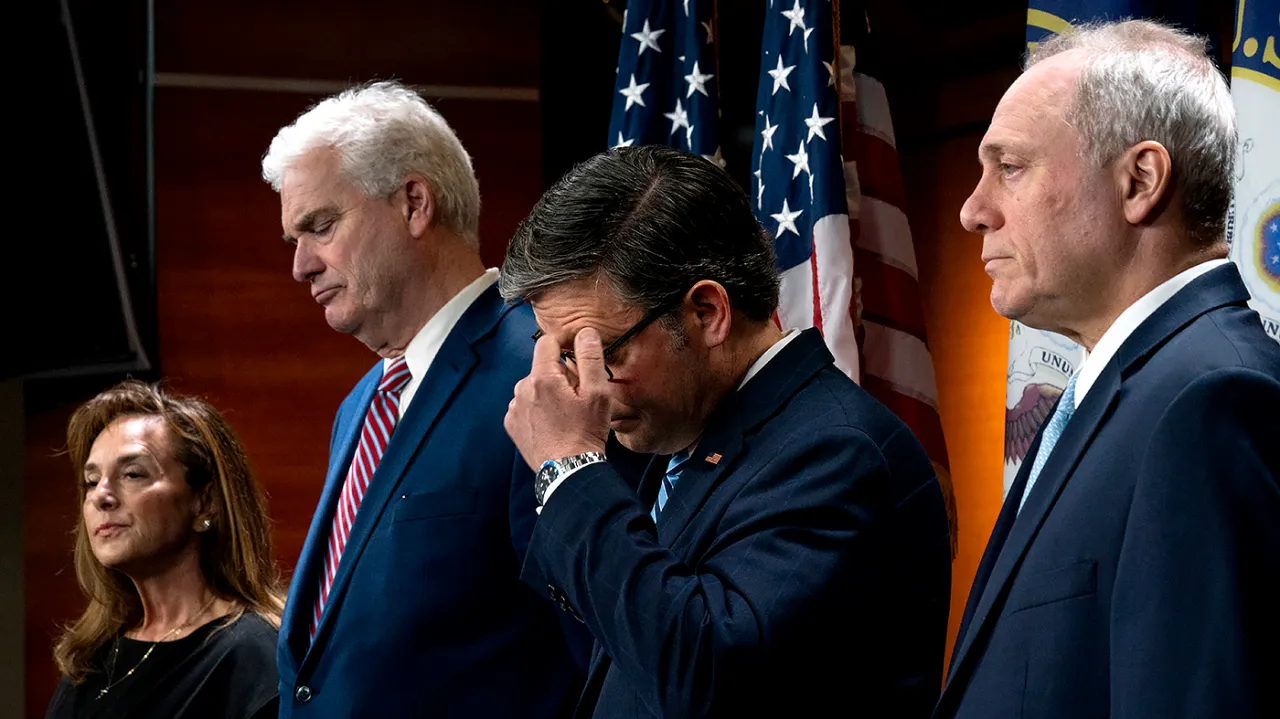
Within the House, Speaker Mike Johnson (R-La.) and his leadership team haven’t found a formula for containing their rebellious conservative wing. Between the chambers, Johnson and Senate Majority Leader John Thune (R-S.D.) have been at odds over both substance and strategy. And from the White House, President Trump’s mixed messages have thwarted progress at crucial moments when a breakthrough appeared at hand.
The combination has complicated any path to a quick fix for reopening the Department of Homeland Security (DHS) amid a historic shutdown that’s frozen paychecks for tens of thousands of agency workers. It’s also highlighted divisions within the Republican ranks — and a deep distrust between the chambers — just as party leaders are fighting to showcase a united front heading into a tough midterm cycle in November.
GOP leaders in both chambers have downplayed any evidence of internal strife. They’re putting the blame for the DHS stalemate squarely on the shoulders of Democrats, who have refused to support any new funding for immigration enforcement unless it’s accompanied by tougher rules governing the conduct of DHS’s policing arms: U.S. Immigration and Customs Enforcement (ICE) and Customs and Border Protection (CBP).
“We have the Democrats who are holding the appropriations process hostage,” Thune told reporters Thursday in the Capitol. “Their anti-law enforcement, open borders, defund-the-police wing is the ascendant wing. And I think everybody’s afraid of them.”
Yet Republicans control all levers of power in Washington: the House, Senate and White House. And they have potent tools at their disposal to fund the entirety of DHS, including the enforcement operations at the center of the partisan controversy — if they can rally their party behind a plan.
So far, they’ve failed to do so.
Indeed, Thune and Senate Republicans thought they’d threaded the needle last week with a two-step plan to divorce immigration enforcement funding from a broader DHS bill and move the pieces on separate tracks. The larger DHS bill passed through the upper chamber without a single voice of dissent. GOP senators thought Trump was on board.
Hours later, however, the plan hit a brick wall in the House, where conservatives revolted with warnings that funding DHS without ICE and CBP would amount to caving to Democrats and would risk the country’s national security. Johnson quickly sided with the conservatives, shelved the Senate bill and moved instead on a short-term proposal to fund DHS in its entirety for eight weeks. The Senate’s strategy, the Speaker said, was “a joke.” Trump piled on, criticizing the Senate’s approach.
But that was last week.
On Wednesday, Trump announced a Republican deal that effectively adopted the Senate’s strategy. Johnson, in a head-snapping reversal, endorsed the plan. And Thune said he expected the House to approve the Senate-passed DHS bill so that GOP leaders could get cracking on Phase 2: funding ICE and CBP, which Republicans want to move using a process known as reconciliation that cuts Democrats from the debate.
“We’ll see ultimately what the House does with it,” Thune said. “But I think the fact that ICE and CBP are funded — because we prefunded them last summer at least through the end of the fiscal year [through the One Big Beautiful Bill Act] — and the fact that we’re coming in behind it to top those accounts off, hopefully will be compelling enough for enough House members to support funding the other agencies in the department.”
Shortly after Thune spoke, the House opened up for a short pro forma session — a routine event during long breaks like the current spring recess — providing GOP leaders an opportunity to move the Senate DHS bill immediately by unanimous consent. They declined the chance.
Instead, Johnson staged a conference-wide call with House Republicans later in the morning, where some of those conservatives fumed over Johnson’s decision to endorse the Senate’s two-step approach.
Some GOP lawmakers simply don’t trust Senate Republicans to make good on promises to move the ICE funds after a DHS package becomes law. They’re leveraging their votes to demand that the enforcement piece go first.
“There’s no desire to pass the Senate open borders bill and then hope that we get a reconciliation bill that would close the border. They’ve got to come together,” said Rep. Randy Fine (R-Fla.). “We obviously already have one — we have the Senate open borders bill,” he continued. “Now they’ve got to send over the one that will keep the border closed.”
The demand puts Johnson in a pickle. He could ignore the conservative uproar and try to pass the Senate bill with the help of Democrats who have already signaled their support. But such a move would infuriate his right flank, and it might risk an internal challenge to his gavel.
Alternatively, Johnson could embrace the change in sequencing the conservatives are demanding and move the ICE piece first. But that would delay the end of the shutdown for weeks, if not months, leaving Republicans open to charges that their incompetence is prolonging the DHS impasse — along with the disruptions and pay freezes that have accompanied it.
Thune, for one, is aware of the pressures Johnson is facing. And with a hint of frustration, he suggested the conservative demands are politically impossible.
“The thing that some people want to do, we can’t do,” Thune said. “You’ve got to figure out what’s in the realm of the possible.”
Trump, through it all, hasn’t helped to grease the skids.
At crucial moments of the debate, he declined to weigh in publicly — a silence that first gave Senate Republicans the impression he supported Thune’s plan, and then provided Johnson, initially, with the political space to reject it.
When Trump did comment, the messages were contradictory. Last week, he criticized any plan to fund DHS without ICE; on Wednesday, he endorsed that very thing.
The president has also acted unilaterally to pay Transportation Security Administration employees — and more recently he announced a plan to ensure that all DHS employees receive paychecks during the shutdown — which has taken enormous pressure off of Congress to do anything at all.
Even Trump’s most recent missive — the endorsement of moving ICE and CBP funding separately through reconciliation — makes no mention of the Senate-passed DHS bill or how he wants House lawmakers to approach it. That void has freed House conservatives to bash the Senate’s preferred sequencing and demand that the immigration enforcement piece precede the larger DHS bill.
How House GOP leaders respond remains unclear. The House isn’t scheduled to return to Washington until the week of April 13. Meanwhile, Thune is making clear that he thinks the Senate’s plan is the quickest path to a resolution.
“There are just limited options,” Thune said. “And my question for everybody who doesn’t like what we did is give me a better idea, give me a better option.”