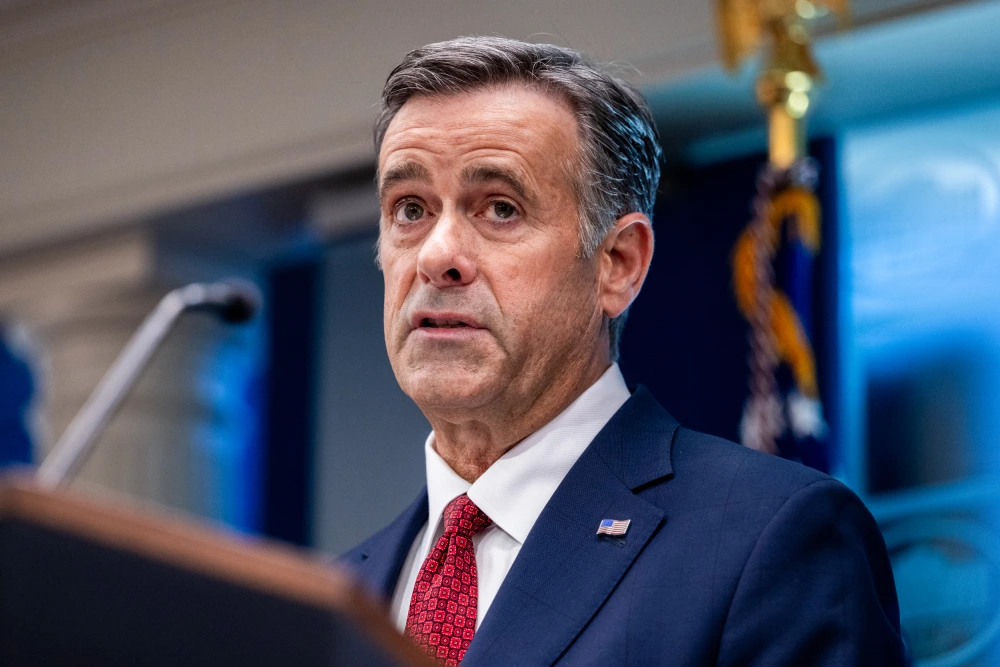
President Trump’s call for Republicans to “take over” voting procedures in more than a dozen states and “nationalize” the midterm elections has Republican senators debating filibuster reform to get around Democratic opposition to a bill that would require voters to show proof of citizenship.
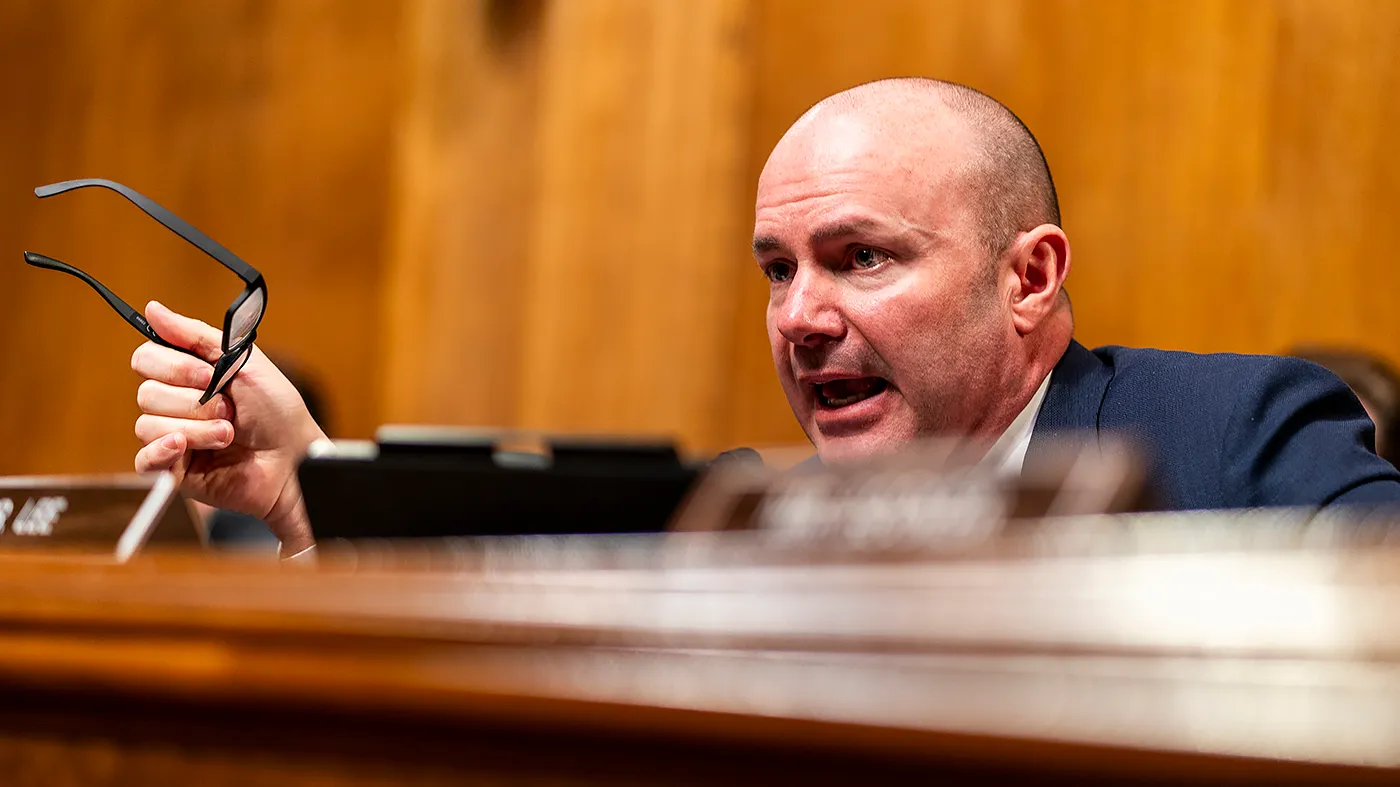
Sen. Mike Lee (R-Utah), a staunch Trump ally and chair of the GOP’s Senate Steering Committee, says Republicans have power under the Senate rules to force Democrats to hold the floor continuously to filibuster and block the SAVE Act, legislation that would require voters to present birth certificates and passports when registering to vote.
But the proposal to interpret the Senate rules in a way to make it tougher for members of the minority party to block legislation through the filibuster is already getting strong pushback from some senior Republicans.
Sen. Jerry Moran (R-Kan.), chair of the Senate Veterans’ Affairs Committee, said he’s worried that requiring Democrats to actively stand and speak for hours and hours to slow down legislation will create a massive traffic jam on the Senate floor.
And he worries Democrats will use retaliatory tactics to derail the GOP agenda that would require Republican senators to be constantly on call to vote at a moment’s notice to establish a quorum.
“I think it is an impossible solution. It’s not a solution. It creates circumstances in which the minority can have one person on the floor and the majority has to have a quorum call just consistently,” Moran said.
He said filibusters would become so time-consuming and exhausting for both parties that it increases the momentum for ending the 60-vote threshold for passing legislation through the Senate.
He warned that requiring Democrats to use standing or talking filibusters to slow down legislation would likely paralyze the floor for weeks or months.
“You can occupy the floor for months and no other business gets considered,” Moran said.
Senate Budget Committee Chair Lindsey Graham (R-S.C.) said requiring talking filibusters would “change the Senate” and likely lead to the abolition of the filibuster entirely.
“Filibuster changes, I think, change the Senate. It may happen one day, but I don’t think it’s a good idea,” he said.
“Because the Senate becomes the House,” he added, referring to the strict majoritarian rule in the lower chamber.
Lee and other conservatives in both chambers, however, see a powerful ally in Trump who they believe can help pressure Senate GOP leaders to force Democrats to use a “standing filibuster” to oppose the election reform legislation.
They believe that will enhance the chances of passing the controversial bill, because a standing filibuster is an arduous process that would be difficult for the minority party to sustain for longer than a few days.
Trump gathered Republicans at a White House breakfast in November to demand they do away with the Senate’s filibuster rule altogether, an idea Senate Majority Leader John Thune (R-S.D.) politely declined to pursue.
Two House Republicans who were holding out against a Senate-passed government funding package this week — Reps. Anna Paulina Luna (Fla.) and Tim Burchett (Tenn.) — said they received assurances from Trump that Thune would seriously consider forcing Democrats to stage a standing filibuster if he brought the SAVE Act to the Senate floor.
Luna and Burchett ended up voting to advance the funding package after speaking with Trump.
Thune confirmed Tuesday that Senate Republicans will discuss reinterpreting the Senate rules to make it tougher for the minority party to block legislation, but he emphasized he hasn’t committed to going forward with the plan.
“We got some members, as you know, who have expressed an interest in that, so we’re going to have a conversation about it. But there weren’t any commitments made,” Thune told reporters.
Asked if he would really consider require Democrats senators to stand up and speak for hours to delay legislation, Thune noted that doing so could come back to bite Republicans as they try to push other legislative priorities, such as permitting reform and a farm bill.
“There are a lot of implication and ramifications to that, that I think our conference would need to have a conversation about. Obviously, it ties up the floor indefinitely, so it means you’re not doing other things. There’s always an opportunity cost,” Thune warned.
He said requiring Democrats to wage a standing filibuster is an “exercise that would go on for an indefinite period of time.”
Speaking again to reporters later Tuesday, Thune said Trump’s call to “nationalize” the elections was an endorsement of the SAVE Act, which would also require states to frequently purge voter rolls to remove registered voters no longer considered active.
The Senate rules in recent years have been interpreted to allow the minority party to filibuster legislation merely by stating an objection. Under current practice, senators generally are not required to actively be on the floor to speak for hours and hours at their desks.
Lee and other conservatives want to change that tradition.
They say the Senate did not always require the passage of a 60-vote cloture motions to advance legislation.
“We have to remember that the cloture standard is not itself a condition of passage. It’s a way of ending debate. For most of the history of the United States Senate, cloture didn’t exist,” he said.
He says the Senate should go back to the tradition of letting senators debate a bill until they are too exhausted to continue, and then move the legislation to a final up-or-down vote.
But the Utah senator acknowledged it could take weeks until Democrats run out of energy to oppose the SAVE Act.
“The question is not whether it’s difficult; we know that it is. The question is whether we have an obligation and opportunity to do something,” he said.