A federal judge on Monday indefinitely postponed the termination of protected immigration status for hundreds of thousands of Haitians in the United States.
The order from U.S. District Judge Ana C. Reyes of the District of Columbia pauses Homeland Security Secretary Kristi Noem’s termination of Temporary Protected Status for Haitians, “pending judicial review.”
“During the stay, the Termination shall be null, void, and of no legal effect,” Reyes wrote. “The Termination therefore does not affect the protections and benefits previously conferred by the TPS designation, including work authorization and protection from detention and deportation, and the valid period of work authorization extends during the stay.”
Reyes also denied the government’s motion to dismiss the case against the termination of TPS without prejudice.
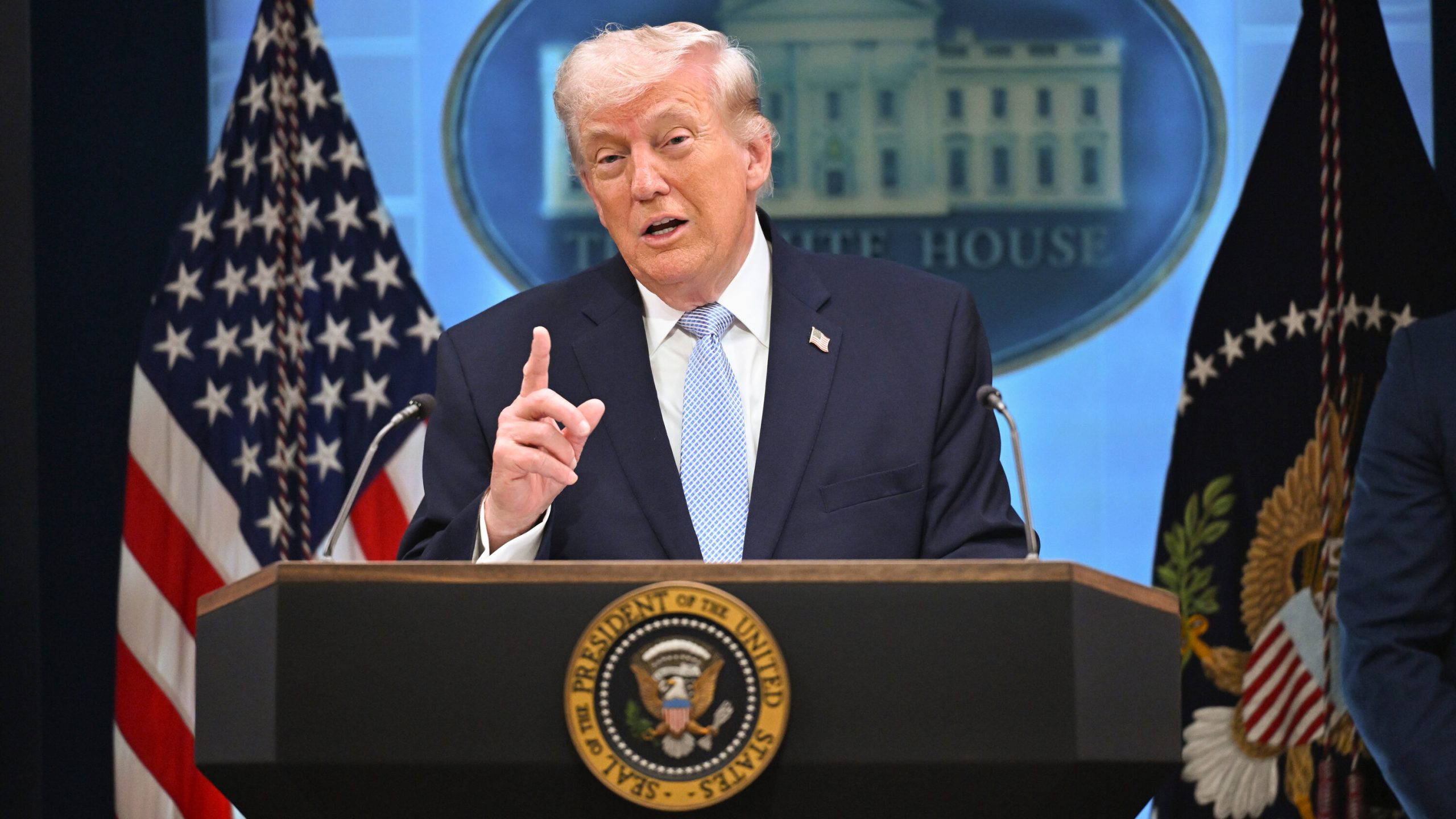
Homeland Security assistant secretary for public affairs Tricia McLaughlin said the Trump administration will appeal to the highest court.
“Supreme Court, here we come,” she said in a statement late Monday.
She argued TPS is being used by Haitians under its protection as an amnesty program, with the blessing of previous administrations, though this was not its intended purpose. “Temporary means temporary and the final word will not be from an activist judge legislating from the bench,” McLaughlin said.
TPS allows foreigners to remain in the United States when they might not be able to return to their own countries safely, and it often applies to countries experiencing war, strife or natural disasters. It was set to expire for Haitians on Tuesday night.
Lawyers Geoff Pipoly and Andrew Tauber, who represented plaintiffs in the case, expressed gratitude to Reyes and characterized her order as “a significant victory.” They also vowed to carry on if the government appeals.
“Haiti remains an extraordinarily dangerous place, marked by widespread gang violence, rampant disease, lack of access to clean drinking water, severe housing instability, and the absence of a functioning government,” they said.
Reyes’ order, they continued, “recognizes the grave risks Haitian TPS holders would face if forced to return” and ensures they can continue contributing to their communities and supporting their families.
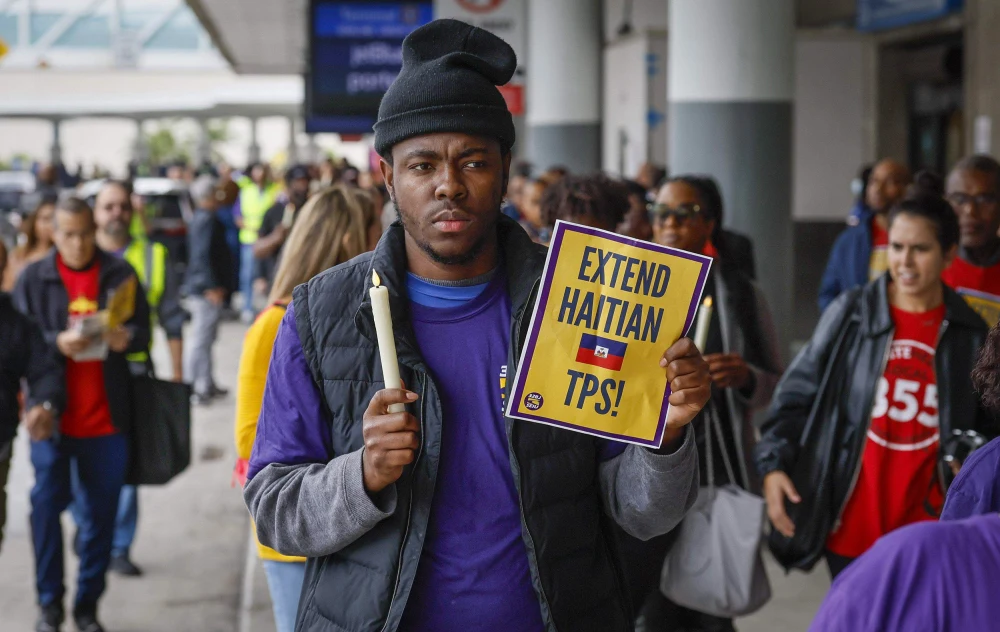
The news came as Haitians across the country were worried about the possibility of immigration enforcement actions, particularly in some communities such as Springfield, Ohio, and Miami.
Haitians and Springfield were thrust into the center of the turmoil over President Donald Trump’s immigration enforcement policies when Trump repeated unfounded claims on the 2024 campaign trail that Haitian immigrants “are eating dogs and cats” and “eating people’s pets,” which then-presidential candidate JD Vance repeated. Local police and the city manager refuted the claims, saying there was no evidence to support them.
Haitians have endured other insults and hostility from Trump, including in 2018, when he referred to Haiti, El Salvador and African nations as “sh–hole countries.”
Trump tried to end TPS for Haitians last summer, but legal challenges forced the administration to set this year’s Feb. 3 deadline.
In her order Monday, Reyes said the government did not provide a reason TPS for Haitians should end “post haste.” While the TPS statute does grant Noem some discretion, Reyes said, it does not grant her “unbounded discretion to make whatever determination she wants, any way she wants.”
“Secretary Noem complains of strains unlawful immigrants place on our immigration-enforcement system. Her answer? Turn 352,959 lawful immigrants into unlawful immigrants overnight,” Reyes wrote. “She complains of strains to our economy. Her answer? Turn employed lawful immigrants who contribute billions in taxes into the legally unemployable. She complains of strains to our healthcare system. Her answer? Turn the insured into the uninsured. This approach is many things—in the public interest is not one of them.”
In South Florida, home to the largest Haitian American community in the country, the past few days have been nerve-racking for those facing an end to protected status.
Tessa Petit, executive director of the Florida Immigrant Coalition, a nonprofit umbrella that advocates for newcomers, said that as U.S. citizen and Haitian immigrant, she was anxious as she awaited the judge’s decision.
“Imagine people directly impacted,” Petit said. “I wouldn’t want to be in their shoes.”
Haitians under protected status were calling the coalition for weeks wondering about their fate — whether they should return to Haiti if TPS were ended and what they might face if they stayed in the United States illegally, Petit said.
In addition to the anxiety over Monday’s ruling, Petit said, Haitians under protected status were living amid an uptick in Immigration and Customs Enforcement activity in areas with large Haitian communities in South Florida.
On Friday, the Haitian Bridge Alliance, a group that speaks in favor of legal Haitian immigration, and the AFL-CIO, the largest federation of labor unions in the country, sent a letter encouraging the Trump administration to back off terminating TPS for Haitians.
“Haitian TPS holders are nurses, construction workers, caregivers, hotel workers, and manufacturers,” Guerline Jozef, the group’s executive director, said in a statement. “TPS holders are already vetted, documented, and self-supporting.”
In an email statement Monday, DHS spokesperson Tricia McLaughlin said, “TPS was never intended to be a de facto asylum program, yet that’s how previous administrations have used it for decades.”
“We encourage individuals with TPS to take advantage of the Department’s resources for departure,” she said, adding that they will be subject to deportation unless they have other lawful bases to remain in the U.S.
According to the National Immigration Forum, about 330,000 Haitians were in the U.S. with TPS as of March.
President Barack Obama designated Haiti for TPS in response to the magnitude-7.0 earthquake that devastated the country in January 2010, killing and wounding more than half a million people and crippling its government.
The protection, which is usually in effect for a year or more, was extended repeatedly as Haiti was hit with more natural disasters and political upheaval. In some years, Haiti was re-designated for TPS, opening the protected status to newcomers.
Trump tried to end TPS for Haitians in his first term, but court battles kept his policy from taking effect before he lost re-election in 2020.