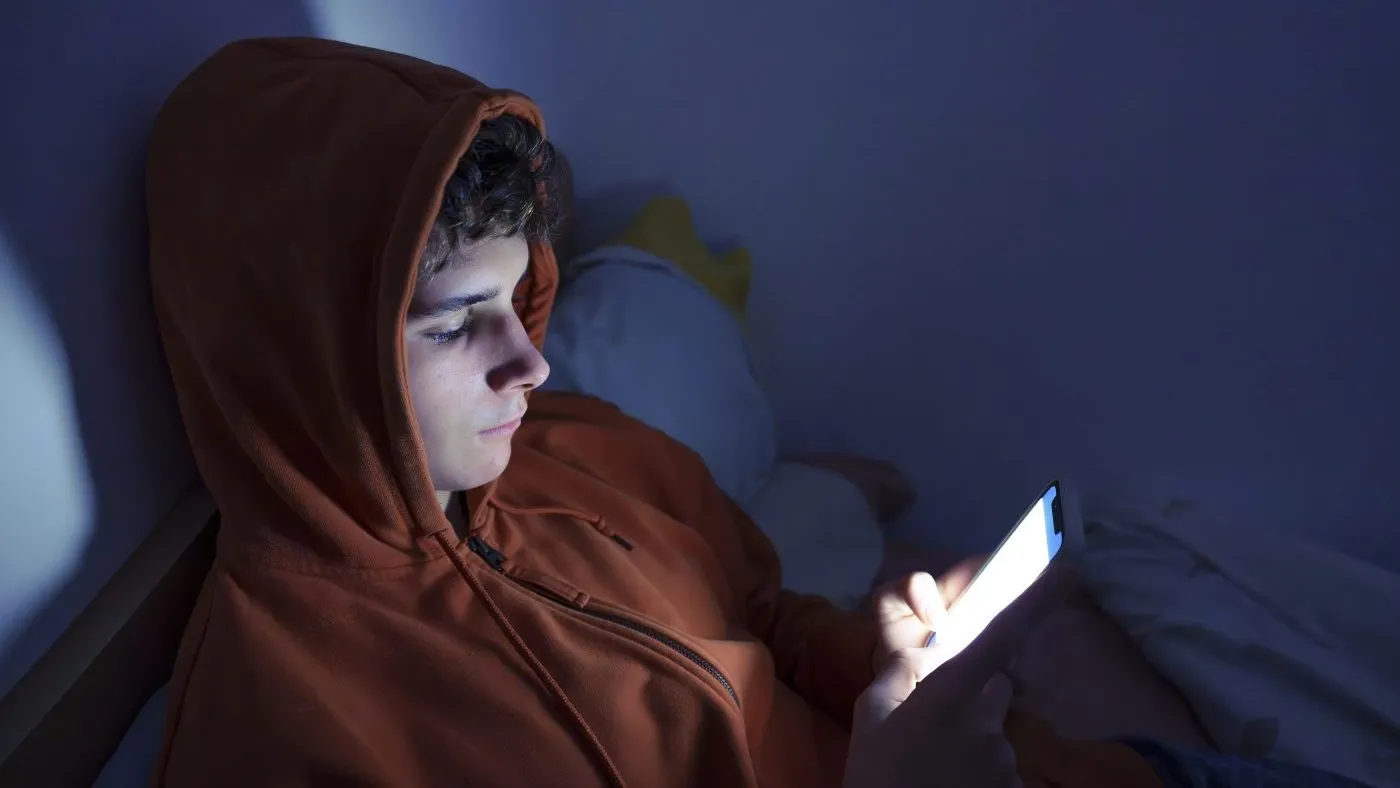
Smartphone ownership among preteens is associated with greater risk of depression, obesity and lack of sleep, according to a new study.
The study, set to be published in the January edition of the journal Pediatrics, examined the impacts of smartphone ownership on a group of more than 10,000 adolescents.
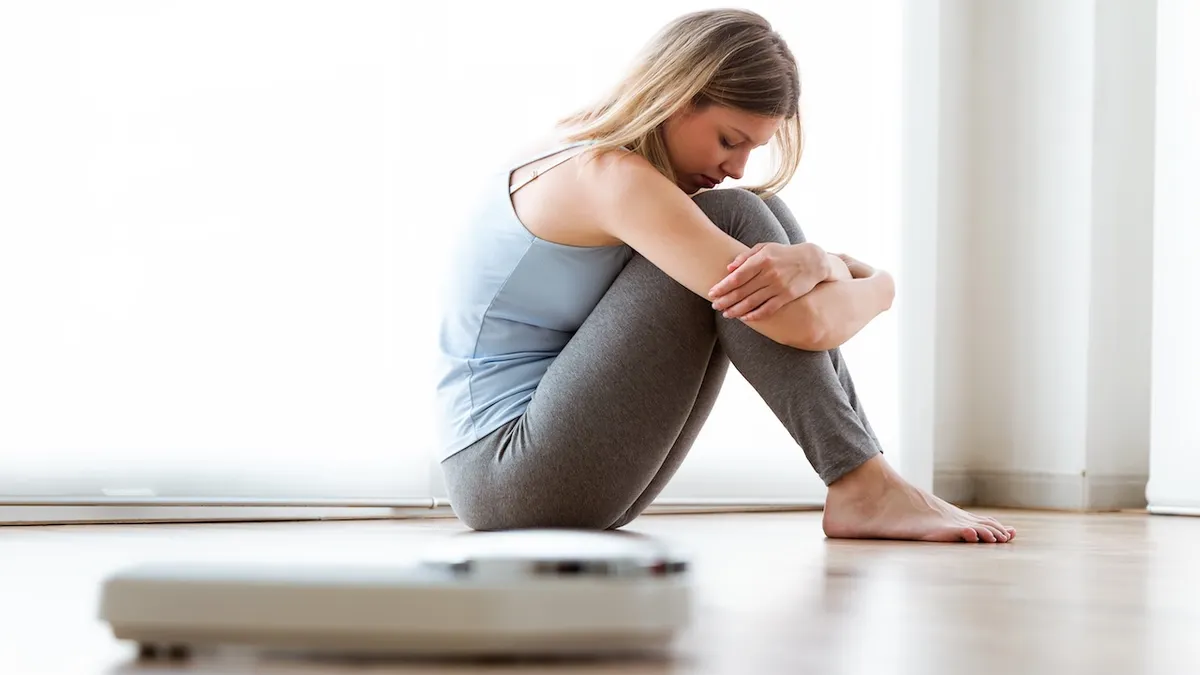
It found that the odds of depression were 31 percent greater for 12-year-olds who owned smartphones than their peers who did not have smartphones. The odds of obesity and insufficient sleep were also 40 percent and 62 percent higher, respectively.
Earlier smartphone ownership was associated with higher rates of obesity and insufficient sleep, the study found.
“Given our findings, it is evident that a concrete framework is needed to advise on childhood and early adolescent smartphone ownership to support the healthier development of youth,” it noted.
However, the researchers underscored that they are not making the case for restrictions on preteens’ access to smartphones. Rather, they suggested “dedicated oversight” of kids’ smartphone usage.
“This is particularly true because there may be various adverse consequences and challenges for certain youths who do not own smartphones, which underscores the need to protect these youths who require smartphones and support families as they embark on this rite of passage,” the study added.
The findings come as lawmakers on the House Energy and Commerce Committee are set to take up a slate of 19 kids’ online safety and privacy related bills Tuesday, including measures to expand privacy protections and require app stores to verify user ages.
At the center of this effort is the Kids Online Safety Act (KOSA). The bill, which seeks to protect children from online harms, passed the Senate last year but failed to clear the House.
House lawmakers have proposed a new version of the legislation that would remove the controversial “duty of care” provision, which required companies to “exercise reasonable care” to prevent harms to minors.
However, this move has frustrated parent advocates, who said they were “extremely disappointed” by the decision to remove the language and urged Congress to “put KOSA back together again.”