A battle among Republican lawmakers over the future of U.S. AI policy is threatening to hold up a must-pass annual Defense bill.
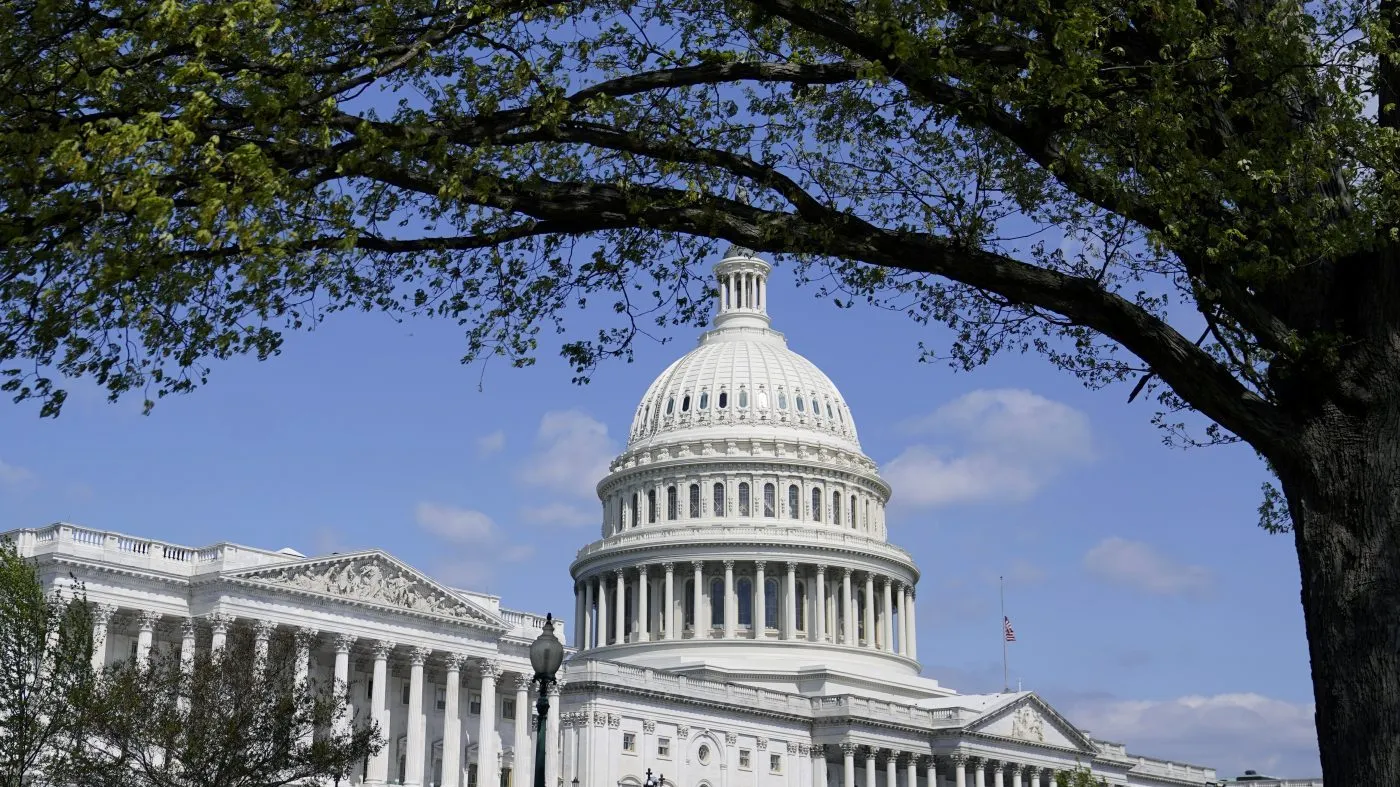
Lawmakers are wrestling over whether to halt state AI regulations and other thorny AI provisions in final negotiations over the National Defense Authorization Act (NDAA), one of the heaviest legislative lifts in any congressional year.
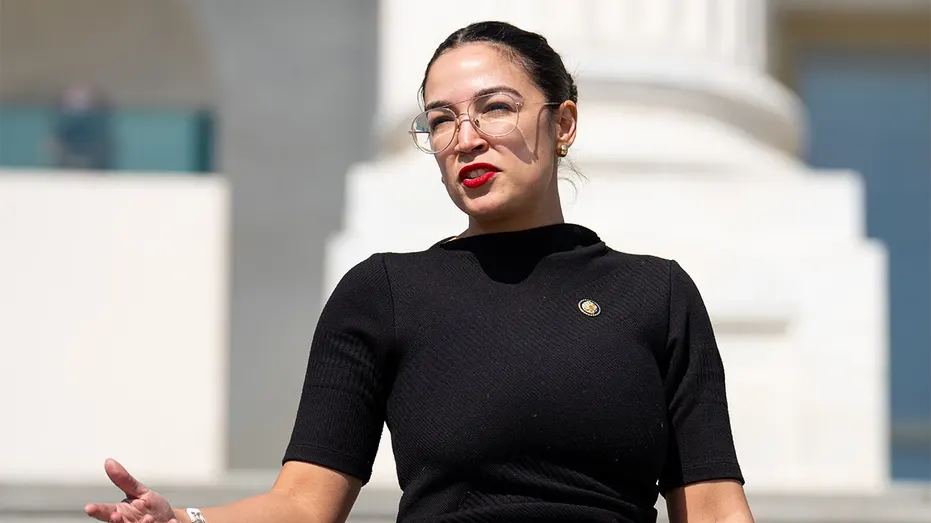
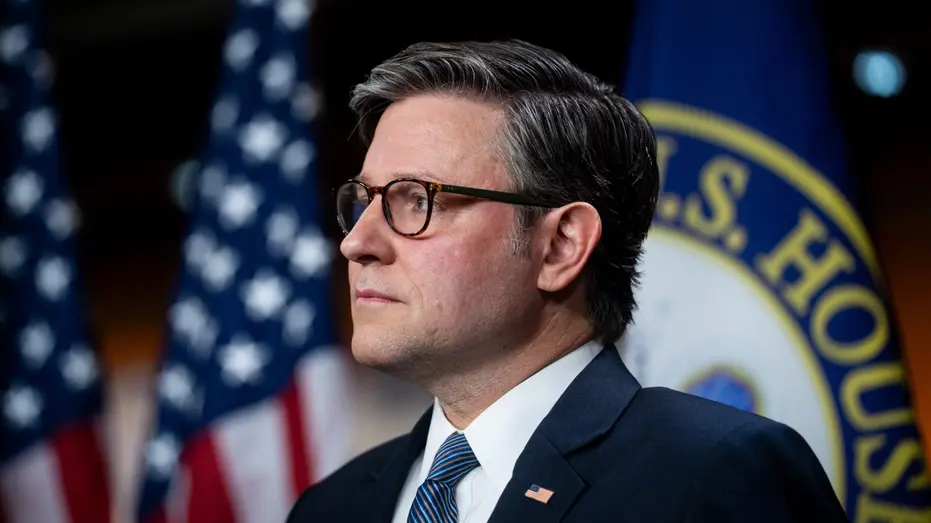
President Trump and the White House are pushing Republicans to include a provision banning state AI laws in the NDAA, provoking a fight with tech-skeptical GOP lawmakers.
“We MUST have one Federal Standard instead of a patchwork of 50 State Regulatory Regimes,” Trump wrote in a Truth Social post last month.
Republicans were already split over a state AI regulation ban in May when such a provision was included in the reconciliation bill. The Senate ended up removing the provision, after backlash from progressive Democrats and hard-line conservatives in both chambers.
The issue reared its head again in late November, as House GOP leadership considered adding a last-minute preemption provision to the NDAA.
This sparked outcry from key Republicans, including Rep. Marjorie Taylor Greene (Ga.), Alabama Gov. Sarah Huckabee Sanders and Florida Gov. Ron DeSantis.
“There should not be a moratorium on states rights for AI. States must retain the right to regulate and make laws on AI and anything else for the benefit of their state. Federalism must be preserved,” Greene wrote on the social platform X.
After publicly voicing support for the effort, Trump appeared to be considering an executive order that would have unilaterally sought to limit state AI regulations, creating a task force dedicated to challenging state AI laws and restricting broadband funding to states with AI measures deemed too restrictive by the administration, according to a draft seen by The Hill.
The Trump administration, which has developed close relationships with Silicon Valley in the president’s second term, has pushed for a light-touch regulatory regime.
It has bristled at wide-ranging state efforts, particularly in California, to rein in the technology with laws that the administration contends will stifle innovation at a key moment in the AI race with China.
However, House GOP leaders reportedly urged the White House to delay the executive order as they seek to include the measure in the Defense bill.
Lawmakers are set to unveil the text of the NDAA this week, with votes expected to follow soon after.
The final push on the Defense bill comes amid a busy three-week stretch at the end of the year, in which Congress is also seeking to tackle expiring Affordable Care Act subsidies and government funding.