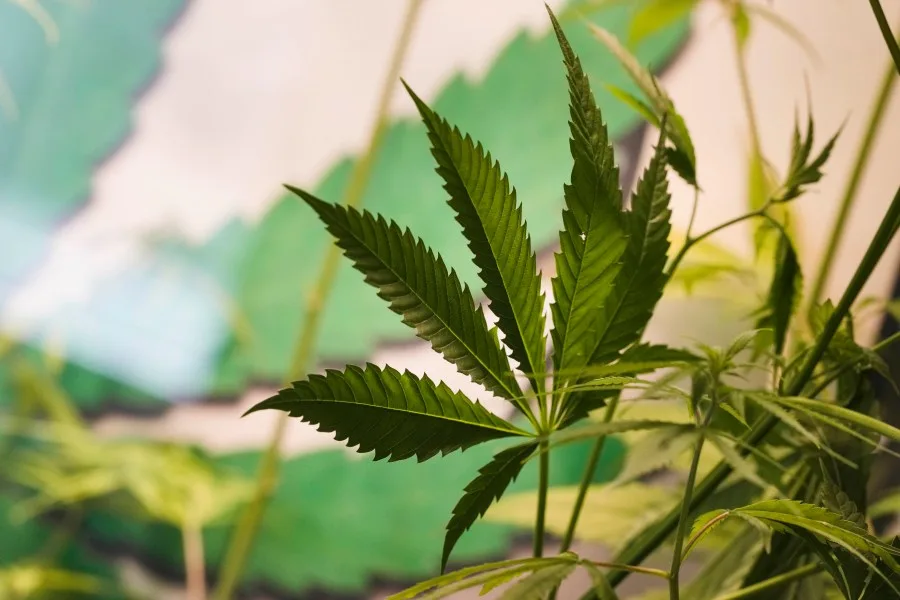
AUSTIN (Nexstar) — A proposal to reopen the U.S. government that passed the Senate on Monday contains language that would outlaw the sale of consumable hemp products across the nation.
The language was included in the proposal to fund the Agriculture Department and closes a so-called loophole in the 2018 Farm Bill that allowed the sale of intoxicating hemp products in Texas stores. Texas passed its version of the Farm Bill in 2019 to reflect the federal law.
But since then, the fight over regulating or banning consumable hemp products containing THC — the psychoactive chemical in the cannabis plant that gives its consumer a “high” — has become a highly-debated and controversial issue in Texas government.
Sen. Rand Paul, R-Ky, offered an amendment to remove the language from the Appropriations bill on the Senate floor. His proposal drew tepid support — it was tabled with only 24 votes supporting the amendment. The only other Republican to oppose the hemp language change was Texas Sen. Ted Cruz.
“I have long believed that the regulation of hemp and marijuana products should rest with each individual state,” Cruz wrote on his X account. “Reasonable minds can disagree, and a blanket federal prohibition disempowers the voters in each of the fifty States.” He added that he believes a “one-size-fits-all” standard will create “unintended consequences.”
The move by the U.S. Senate reflects what the Texas Senate did three times this year, passing a bill to ban intoxicating hemp products in the state. The policy was a priority for Lt. Gov. Dan Patrick, who strongly opposed the rising prevalence of intoxicating hemp products in the state.
The Texas legislature passed a bill to ban those intoxicating products during the regular session, but it was ultimately vetoed by Gov. Greg Abbott. The governor eventually issued an executive order to create stricter regulations for these specific hemp products after failed attempts to find a solution in back-to-back special sessions over the summer.
“The THC ban has been a priority for me, and I appreciate Congress addressing this important issue at the national level,” Patrick wrote on his X account. “I believe this ban will save a generation from getting hooked on dangerous drugs.”
The ban — which still needs to pass the U.S. House — would go into effect 365 days after the resolution is passed into law. By contrast, Texas’s ban was set to take place on Sept. 1, only a couple months after Abbott’s July 22 deadline to sign pending legislation.
Hemp industry reacts: ‘We just have to take a better approach’
While the stated goal for proponents of the hemp definition change was to ban intoxicants, opponents of the change say it goes much further.
“I think if people assume that if I’m growing for fiber, there’s no THC in there,” Hemp farmer Kyle Bingham said. “That’s not really true. There’s THC in pretty much every hemp plant out there and by holding us to this higher standard and starting to get not just small amounts, but really trace amounts, is where it just gets to the point it doesn’t make sense to risk (testing over the new THC limit).”
Bingham says he appreciated the Texas approach better, as Abbott called on experts to help find the best way to regulate the industry.
Hemp industry leaders have worked extensively in recent years to keep their legal status granted by the 2018 farm bill. For example, Texas Hemp Business Council (THBC) hand-delivered boxes of letters to Abbott’s office, asking him to veto the legislature’s proposed THC ban. Because the U.S. Senate ban was added to a funding bill designed the re-open the government, the industry feels they haven’t gotten a proper chance to respond.
“It’s not a standalone bill because it would not stand a chance of passing once they hear the facts,” THBC Executive Director Mark Bordas, who’s worked in government affairs for over 30 years, said. “Kudos to the other side. I don’t work in D.C. and I wasn’t part of this, but it’s an orchestrated, calculated move. They knew there would be desperation to refund the government, and so we got caught up in that wash.”