Outside of Kyoto, Japan, in a small city called Uji, tea farmer Yoshitsugu Furukawa is struggling to figure out what President Donald Trump’s 15% tariffs on all Japanese exports set to go into effect on Aug. 1 could mean for his family business.
“I would understand imposing these tariffs for things that would create competition,” Furukawa told ABC News. “For example, if it’s an automobile, they are manufactured in the U.S. and in Japan as well, so it can pose a threat. Whereas tea, currently there is no matcha making in the U.S., so it’s not going to hurt anyone in the U.S. So, for things like that it should be tariff free.”
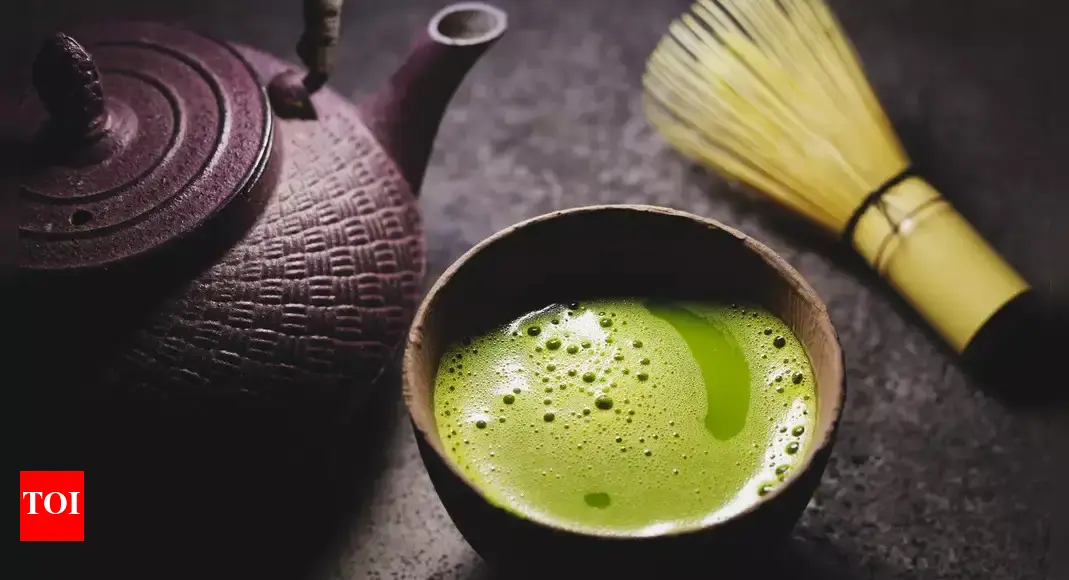
Furukawa, whose craft has been passed down to him through six generations, grows tencha tea leaves on his family’s farm in Uji. Tencha leaves are then sold to wholesalers who undertake the laborious process of turning raw tea leaves into matcha powder, which is then sold to retailers in Japan, and now, all over the world.
That matcha powder from Japan becomes the basis of a $7 matcha latte an American can buy at Starbucks or a local café in the U.S.
Trump threatened to impose 25% tariffs on all Japanese exports, saying the levies would go into effect on Aug. 1. Days before the deadline, Trump and Japan announced a trade deal. Japan agreed to invest $550 billion in U.S.-bound investments and loans in exchange for lowering tariffs on Japanese exports to the U.S. from 25% to 15%. Exact details of the trade deal remain unclear, but Japanese exports will still face tariffs.
The “matcha boom,” as the Japanese tea farmers, wholesalers and retailers refer to the increase in demand in the past two years, is largely seen as a positive among those who have worked in the industry for generations that ABC News spoke with.
However, Trump’s impending tariffs pose a threat to an already fragile industry facing other headwinds like the impacts of climate change and the ever-present challenge of making a thousand-year-long tea tradition modern and accessible.
“This is somewhat unprecedented, so I don’t know what to expect,” Hideki Wakasugi, the CEO and president of Nishio City matcha wholesaler Shokakuen Co. Ltd, told ABC News. “More or less we are going to be affected, so I’m kind of waiting to see, once this kind of calms down, the whole wave, then only then can we take measures.”
While overall production volume of tea across Japan has declined in the past 15 years, the production volume of tencha, the raw tea leaves that become matcha powder, has risen sharply in the past five years, according to statistics from the Japanese Ministry of Agriculture, Forestry and Fisheries and the Japanese Association of Tea Production.
Tencha overall makes up one small part of tea production in Japan, but it’s one of the only areas of growth, the statistics show.
“We think the demand is driven by the health-oriented trend and also the heightened interest in Japanese food in the U.S.,” Tomoyuki Kawai, deputy director of the Tea and Fruits Division in the Crop Production Bureau of the Japanese Ministry of Agriculture, Forestry and Fisheries told ABC News.”
According to data from the Trade Statistics of Japan Ministry of Finance, 78% of all powdered green tea exported from Japan — which includes matcha powder — went to the U.S. in 2024. After the U.S., the largest amount of powdered green tea was exported to the European Union and the United Kingdom, followed by Taiwan.
Japanese farmers, wholesalers and retailers that ABC News spoke with echoed the sentiments the statistics show. People working in the tea industry largely noticed a decline in demand for their products, especially during COVID-19, but industry experts have noticed a sharp increase in demand for matcha specifically, primarily from the U.S., in the past year alone.
In Nishio City, one of the areas with the highest matcha production in Japan, the Nishio Tea Cooperative Association, which represents all of the tea farmers and wholesalers in the area, said 30% of their overall revenue comes from exports to North America.
Nishio Tea Cooperative Association President Tadateru Honda believes the “matcha boom” is “really due to health consciousness,” from Americans in particular.
“This consciousness is very high, and they may not be appreciating it to the extent that Japanese people do, but I think it’s really the health benefit that is increasing the sales,” Honda said.
Ryoichiro Kanbayashi, the CEO of a matcha wholesaler and retailer based in Uji City outside of Kyoto, where production of matcha in Japan began hundreds of years ago, said he welcomes the matcha boom trend. He’s noticed an increase in tourists from the U.S, the European Union and other Southeast Asian countries visiting his store in the past couple of years, he said.
“I am more than welcoming this trend because pre-COVID, matcha was predominantly purchased by tea ceremony masters and people in that field,” Kanbayashi said. “It wasn’t really for general consumers, but then people outside of Japan were drinking it like regular tea, with latte or with flavoring… I am very grateful they are introducing Japan to this new way of enjoying it.”
At his store, visitors can experience the traditional matcha tea ceremony and buy matcha products. Whenever American tourists come to buy matcha products in his store, they ask him what the healthiest option is, he said.
Kanbayashi’s family has been producing tea in the Uji region for 150 years, and he said he’s noticed matcha source material tencha has almost doubled in price in the past year because of the increased demand for the product.
In the heart of Kyoto, modern matcha cafes have started popping up. People can buy not only the traditional hot matcha drink, but they can also buy matcha lattes, matcha ice cream, matcha lava cakes and other matcha sweets.
One of those modern cafes in Kyoto, Hatoya Ryoyousha Kiyomizu, which opened in November 2024, aims to combine the traditional elements of matcha tea making with something more accessible to modern consumers.
The price of their products has already increased in the short time the store has been open and it is expected to increase again, Hiiragi Fujii, a member of the global department of the matcha store chain, told ABC News.
“It’s definitely the demand for matcha throughout the world that has really caused an impact on the price increase,” Fujii said. “There’s always been a love for coffee, but never really matcha, but then all of a sudden everyone is holding a matcha instead of coffee.”
While increased demand for matcha both from the U.S. and around the world has created optimism among tea farmers and wholesalers who say the industry was largely stagnant for the past 30 years, the Trump tariffs risk harming the growth from the matcha boom.
Kanbayashi said he expects “some sort of ripple effect,” on his business from the tariffs, even if he doesn’t predict a direct impact on his sales at his store in Uji.
If tariffs are imposed and fewer people in Japan export matcha to the U.S., he doesn’t know how that will impact the price of tencha, the tea leaves used to make matcha and his overall business.
“I would say eventually it’ll be customers and consumers,” who are impacted by the tariffs, Kanbayashi said. “‘OK so the price has gone up two times, so we’re going to charge you twice as much’ — that’s not what we can tell our regular customers. But if it continues to rise, then we have no choice but to raise prices.”
Kawai at the Japanese Ministry of Agriculture, Forestry and Fisheries agreed that the burden will likely fall on U.S. consumers first when the tariffs are imposed.
“U.S. importers will pay for the tariffs first, which means there’s a possibility that U.S. consumers will pay if not the full price but part of the burden,” Kawai said.
However, tea is considered an “indulgence item” rather than a necessity, Kawai said, so it’s possible the tariffs could cause consumers to buy less product, hurting the Japanese farmers and wholesalers who have been working to meet the growing matcha demand.
Matcha tea farmers and wholesalers are also facing challenges caused by climate change. Tencha tea leaves can only be harvested once a year if they are handpicked by farmers and up to four times a year if they are picked by machine, but with climate change causing rapid fluctuation in temperature, industry experts ABC News spoke with reported farmers harvested fewer tencha tea leaves this year compared to last year.
The Japanese government offers subsidies to help cover the cost of materials needed to protect the tencha leaves against the fluctuating temperatures caused by climate change. It also provides subsidies to help farmers convert from producing other forms of tea to growing tencha leaves in order to meet the growing demand for matcha, Kawai said.
For now, tea farmers and wholesalers in the industry are hopeful the matcha boom will last, but both the boom and Trump’s tariffs leave uncertainty for the people who have dedicated their lives to producing this special form of green tea.
“I wouldn’t know how long this boom is going to last. I want it to last, because well, I’m more concerned about once the boom is gone,” Honda, the Nishio Tea Cooperative president, said. “We can assume that the price can drop drastically, and so that’s the fear.”
Furukawa, whose Uji tencha farm uses the hand-picking method to harvest tea leaves, says there is “nothing negative” about the matcha boom and hopes matcha culture will continue to spread.
Wholesaler CEO and president Wakasugi also believes there’s more room for growth in the U.S. market, despite the tariffs.
“There’s still parts of the U.S. that is not really using matcha, so I can see there is room to grow,” he said.