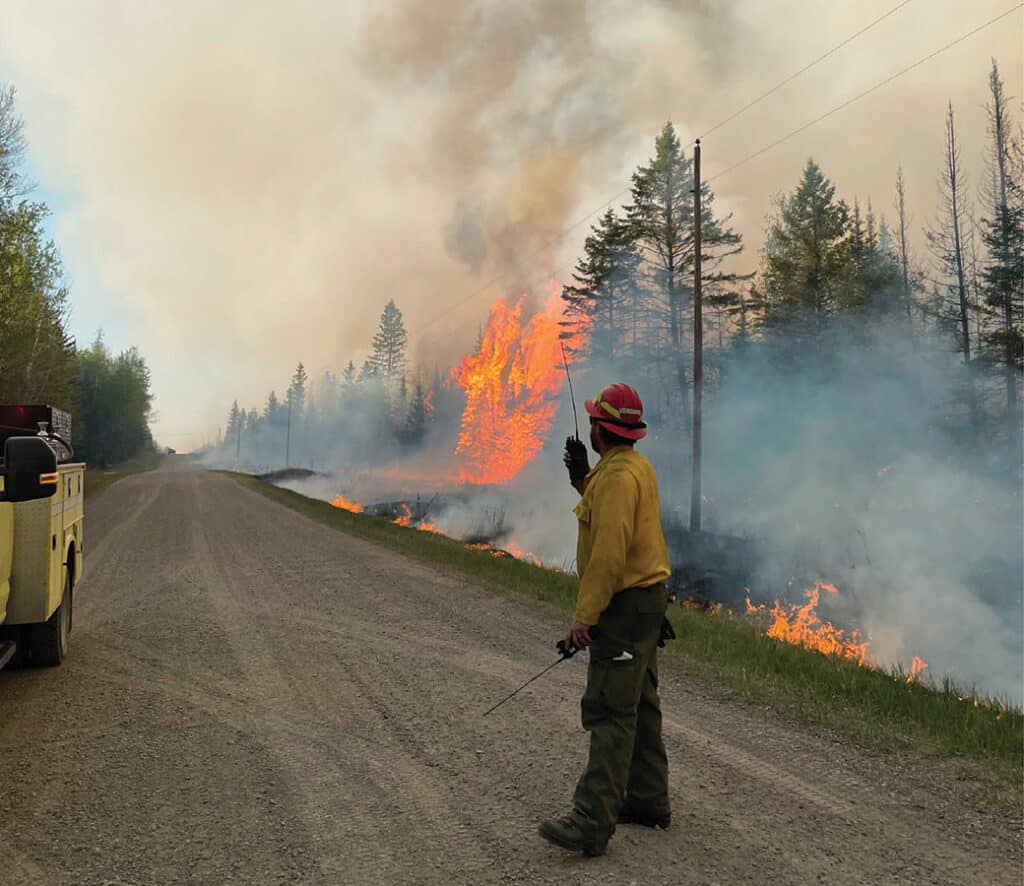
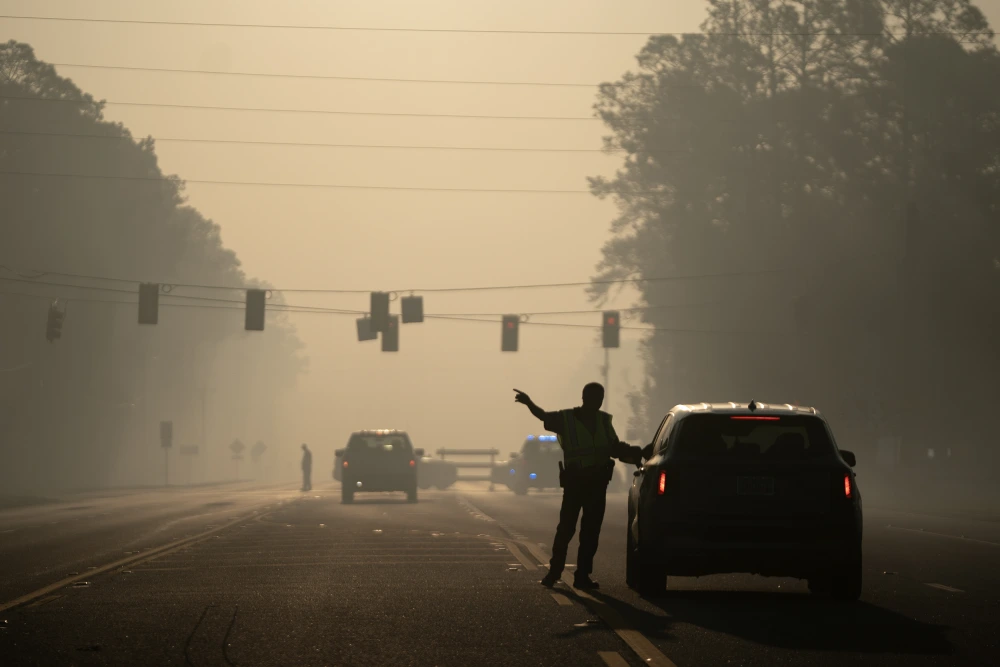
At least 27 people have died as multiple wildfires, fueled by severe drought conditions and strong winds, rage across the Los Angeles area.
Thousands of firefighters are battling wildfires across 45 square miles of densely populated Los Angeles County. About 82,000 people remain under mandatory evacuation orders and another 90,000 are under evacuation warnings.
“Good Morning America” kicked off its “SoCal Strong” (#SoCalStrong) coverage on Friday, highlighting the impacted communities and offering fundraising opportunities for victims of the fires. The coverage will continue across multiple ABC News programs and platforms.
The Palisades Fire, which began in the Pacific Palisades on Jan. 7, has destroyed about 5,000 structures. It’s covered more than 23,000 acres and is at 52% containment.
The Eaton Fire north of Pasadena also began on Jan. 7 and has destroyed or damaged around 7,000 structures. It’s burned over 14,000 acres and is at 81% containment.
California Gov. Gavin Newsom on Sunday announced that he would deploy additional resources ahead of the extreme fire weather expected this week.
A statement from the governor’s office said that he is mobilizing and pre-positioning more than 170 fire engines, water tenders, and aircraft to Southern California, along with personnel. It explained that the state is “surging additional resources to provide rapid-attack capabilities for early fire starts.”
The region can expect possible peak wind speeds of up to 70 mph in the coasts and valleys and 100 mph in the mountains and foothills of Los Angeles and Ventura counties. The National Weather Service has designated this a “Particularly Dangerous Situation.” It is the fifth such designation since November 2024.
“The recent firestorms in Los Angeles have illustrated the importance of being in the right place at the right time,” Newsom said in the statement. “By strategically placing specialized personnel and equipment in areas prone to wildfires, crews are able to respond faster and more aggressively. These conditions are dangerous, so it’s incumbent upon all families to stay vigilant.”
The number of resources being deployed for the upcoming weather is twice as high as those allotted when the firestorms broke out on Jan. 7.
Southern California is getting a break from the strong winds this weekend, but crews are preparing for the next round of offshore winds from Monday through Wednesday.
The outlook for Monday calls for extremely critical fire danger in Santa Clarita, Simi Valley, Thousand Oaks and Burbank.
Gusty winds in the mountains could be reaching 80 miles per hour, creating “conditions supportive of rapid wildfire onset and spread,” according to the National Weather Service.
These strong wind gusts will remain a problem through Wednesday before easing up by the end of the week.
Windy conditions that could help spread any fires that ignite are set to return to Southern California next week.
Winds gusting up to 60 mph are possible on Monday and Tuesday, with relative humidity as low as 3% is possible.
Should fire ignition occur, extreme fire behavior and rapid fire growth is expected.
For now, these are just fire weather watches for the Burbank and Malibu areas, but could be upgraded to red flag warnings.
The strong winds could last longer than Tuesday as winds may stick around along with very dry conditions expected throughout the week.
There is still no rain in the foreseeable future for Southern California.
The Eaton Fire now covers 14,117 acres and is 73% contained
The Palisades Fire covers 23,713 acres and is 43% contained.
This weekend brings a break in the strong winds across southern California, but another round of high fire danger is expected early next week as the winds pick back up.
“A Fire Weather Watch is in effect for the potential of Red Flag Warnings several days away. The likely decision on converting this watch to a Red Flag Warning will be made over the weekend. With dry conditions lasting through Friday of next week, and additional rounds of enhanced offshore flow likely, Red Flag Warnings may be needed beyond Tuesday,” according to the National Weather Service.