Former President Donald Trump appeared before a federal magistrate in Miami on Tuesday (June 13) and pleaded not guilty to the allegation that he illegally retained hundreds of government secret security documents after leaving the White House and prevented the government from recovering them.
Trump made history last week when a federal grand jury indicted him on 37 criminal charges, including 31 cases of “deliberately retaining” confidential defense information about his residence in Florida and private club Sea-a-Lago.
The preaching of the former president was carried out under tight security, and hundreds of Trump supporters gathered outside.
Trump called on his supporters to rally in Miami, which raised concerns that the rally might escalate into violence. However, there were no incidents during the court proceedings on Tuesday.
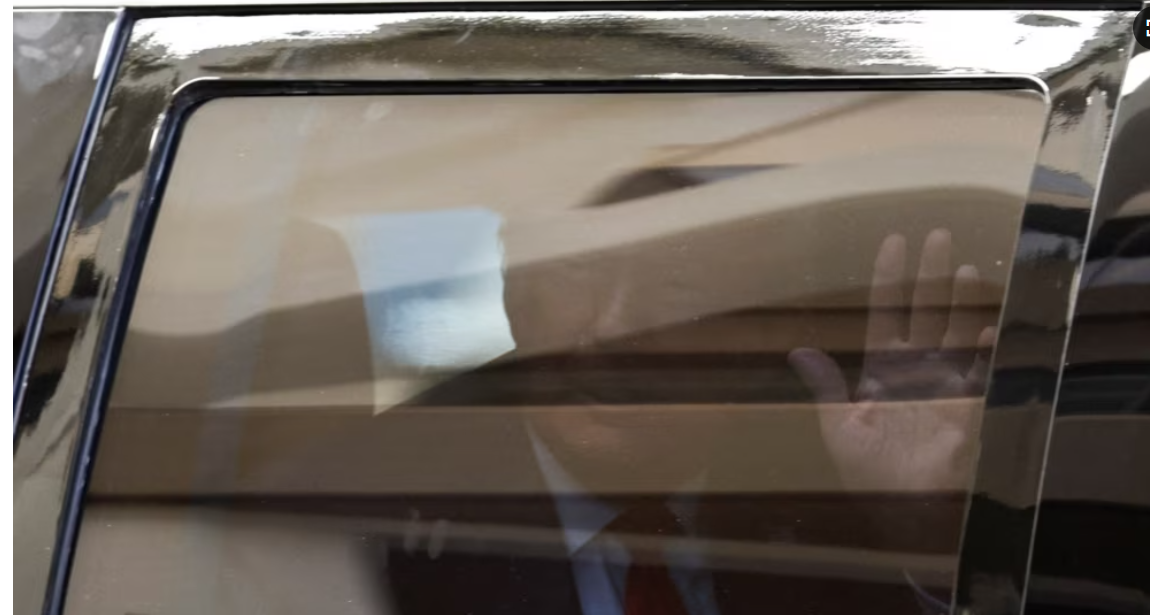
The former president’s convoy entered the court area shortly before 2 p.m. local time, and supporters standing behind the cordon shouted “We love Trump.”
After going through the regular process, he appeared in front of Federal District Judge Jonathan Goodman, pleaded not guilty to all 37 charges.
Trump’s lawyer, Todd Blanche, told the judge: “We absolutely have to plead innocent.”
Some experts believe that these allegations are the biggest legal risk to the former president.
In this 49-page indictment, Trump was accused of bringing hundreds of confidential documents from the White House to Sea-a-Lago before leaving office in January 2021, after losing to Joe Biden in the election.
These documents are one of the most closely protected secrets of the government. They contain information about the U.S. nuclear program, the potential vulnerability of the United States and its allies to attacks, and possible response plans. According to the indictment, leaking this information may endanger the national security of the United States.
Each of the 31 counts of “intentionally retaining” confidential defense information is against different documents he took from the White House, each of which is punishable by up to 10 years’ imprisonment. Intentional retention refers to the intentional preservation and refusal to hand over documents.
Six other charges against Trump focused on his alleged concealment of retaining documents after the FBI and the grand jury asked for the return of documents.
According to the indictment, the former president allegedly instructed one of his lawyers to declare that he did not have the documents requested by the grand jury. When the lawyer suggested a search of Sea-a-Lago, Trump allegedly transferred documents from a storage room to his house to avoid being found.
Trump, who is currently leading the poll of the Republican presidential candidate, disdained the lawsuit, calling it a “vicious persecution” of “non-departial justice” weaponized by the Biden administration, and vowed to continue to run even if he was convicted.
“I will never leave,” Trump said in an interview with the political news website Politico on Saturday.
Trump plans to fly to New Jersey after the arraignment to deliver a speech defend himself and hold his first fundraising campaign in the 2024 presidential election.
The case has been handed over to Trump-appointed judge Irene Cannon (
Aileen Cannon, who attracted criticism last year for favoring the former president in the case.
Cannon briefly prevented federal investigators from viewing the documents seized from Trump’s Mar-a-Lago last August, and appointed a special officer to review these documents. However, the Court of Appeal later overturned her decision, saying that she did not have the right to make such a decision.